Imagine a quiet afternoon. The air fills with a gentle hum. A dream begins to take shape. Many aspiring artists envision themselves creating beautiful tattoos. They wonder how to start. This journey often begins with the right tools. The video above provides a visual guide. It shows the unboxing of a specific tattoo pen kit for beginners. This kit, the Wormhole Tattoo DWTK036, offers a starting point.
Learning to tattoo takes dedication. However, the initial setup can feel daunting. This article will help you understand your new equipment. It will expand on the actions seen in the video. Simple steps are explained here. You can begin your tattooing practice with confidence.
Understanding Your Beginner Tattoo Kit Essentials
Every artist needs proper tools. For beginner tattoo artists, this is especially true. The video shows several key items. These pieces are crucial for starting out. They are designed for safety and ease of use. A quality tattoo pen kit for beginners provides everything needed. This includes the main machine itself.
Typically, a beginner kit contains several components:
- **Tattoo Pen Machine:** This is the core of the kit. It drives the needle. Modern pen machines are rotary. They are often lighter than traditional coil machines. They are easier for new artists to handle.
- **Power Supply:** This unit regulates electricity. It delivers consistent power to the tattoo pen. The power supply controls speed and strength. Proper voltage is essential.
- **Clip Cord/RCA Cord:** This cable connects the pen to the power supply. It ensures a stable electrical flow.
- **Foot Pedal:** This device controls the machine’s power. It allows hands-free operation. The artist can start and stop the pen easily.
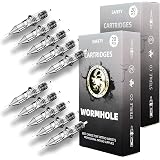
- **Cartridge Needles:** These are pre-sterilized. They are single-use needles. Cartridge needles snap directly into the pen. This makes changes simple and hygienic.
- **Practice Skin:** This synthetic material simulates human skin. It is vital for learning. No real skin should be tattooed without extensive practice.
- **Tattoo Ink:** Beginner kits often include a small selection. These are for practice sessions.
- **Other Accessories:** Items like ink caps, grip tape, and transfer paper may be included. These aid in the tattooing process.
Each item plays a vital role. Understanding its function is important. This foundation is built early. It ensures correct usage and safety.
Assembling Your Tattoo Pen for Practice
The video clearly shows the assembly process. This might seem straightforward. However, careful handling is always necessary. Proper assembly prevents equipment damage. It also ensures safe operation. These steps are crucial for any tattoo pen kit for beginners.
Connecting the Power Supply and Foot Pedal
First, the power supply must be prepared. It is connected to a power outlet. Then, the foot pedal cord is plugged in. This cord usually goes into a specific port. The tattoo pen’s RCA cord is then connected. This cable connects the pen to the main power unit. All connections are usually secure. They should fit snugly. Loose connections can interrupt power. They can also damage equipment.
Inserting the Cartridge Needle
The video illustrates needle insertion. This step is delicate. The needle is always sterile. It comes in sealed packaging. The packaging should only be opened when ready. The needle cartridge is pushed firmly into the pen’s grip. It should click into place. This ensures it is properly seated. A small twist might be needed. This locks it securely. Improper insertion can cause issues. It affects ink flow. It also impacts needle stability.
Powering Up Your Tattoo Pen and Dipping Into Ink
Once assembled, the pen is ready. The power supply is then turned on. You will hear a humming sound. This indicates the pen is active. The voltage can be adjusted. Beginners often start with lower settings. This allows for better control. It helps artists get a feel for the machine. The video shows the pen’s smooth operation. This smooth sound is important. It confirms correct assembly.
Next, ink is prepared. Small ink caps are filled. The tattoo pen is dipped into the ink. The needle draws up the ink. This prepares it for application. Only proper tattoo ink should be used. Other inks can be harmful. They are not safe for practice or skin. Different colors can be used. This allows for varied practice. It helps in understanding pigment flow.
Practicing Techniques on Synthetic Skin
The video transitions to practice skin. This is a critical step. Real skin should never be the first canvas. Synthetic skins are designed for this purpose. They offer a realistic feel. Artists can practice lines and shading. This builds muscle memory. It also refines control. The video shows steady hand movements. This precision is learned over time. It requires much repetition.
Beginners should focus on:
- **Consistent Lines:** Practice drawing straight lines. Then try curves. Aim for even depth and saturation.
- **Shading Techniques:** Learn different shading styles. Practice smooth gradients.
- **Holding the Pen:** Find a comfortable grip. Ensure stability during operation.
- **Needle Depth:** Understand how deep the needle goes. Too shallow, ink won’t hold. Too deep, it can cause damage.
After tattooing, the video shows ointment being applied. Even on practice skin, this simulates a real process. Wiping the skin then cleans it. This cleans off excess ink. It also reveals the “tattooed” design. This entire process reinforces good habits. These habits are essential for future success. They prevent infection and promote healing on real skin.
Essential Safety and Hygiene Practices for Beginners
Tattooing is a serious art. It involves significant responsibility. Hygiene is paramount. Every aspiring artist must prioritize it. The video highlights basic steps. However, more is always required. These practices protect both the artist and any future clients. They are non-negotiable standards.
Key hygiene rules include:
- **Sterilization:** All equipment that touches skin must be sterile. Single-use needles are always used. Autoclaves sterilize reusable items.
- **Barrier Protection:** Gloves are worn at all times. Surfaces are covered. Cross-contamination is thus prevented.
- **Workspace Cleanliness:** The work area must be disinfected. Before and after each session, cleaning is done.
- **Proper Waste Disposal:** Used needles are biohazardous. They are disposed of in sharps containers. This protects others from injury.
Understanding these rules is not optional. They are critical for everyone’s health. Neglecting hygiene can lead to infections. It can also cause serious health risks. Therefore, comprehensive training is vital. It goes beyond just operating a tattoo pen kit for beginners.
Your journey into tattooing is exciting. This Wormhole Tattoo pen kit for beginners provides a solid foundation. Remember, consistent practice is key. Always prioritize safety and hygiene. Keep learning new techniques. Seek proper education and mentorship. Your artistic vision can become a reality. However, patience and dedication are required. Embrace the learning process. Enjoy your new adventure.
From Canvas to Skin: Your Beginner Tattoo Kit Q&A
What is a beginner tattoo pen kit used for?
A beginner tattoo pen kit provides all the essential tools for new artists to learn and practice tattooing. It helps aspiring artists get started with the right equipment.
What are some main components found in a beginner tattoo kit?
Typically, a beginner kit includes a tattoo pen machine, a power supply to run it, a foot pedal for control, and sterile cartridge needles for tattooing.
Why should beginners use practice skin?
Practice skin is a synthetic material that simulates human skin, allowing beginners to safely learn and refine techniques like drawing lines and shading before tattooing on real skin.
What is the most important safety rule for beginners learning to tattoo?
The most important safety rule is to prioritize hygiene by always using sterile, single-use needles, wearing gloves, and keeping your workspace clean and disinfected to prevent infections.