The decision to remove an unwanted tattoo is often accompanied by a complex mix of emotions, from anticipation of a fresh start to apprehension regarding the procedure itself. As perhaps glimpsed in the accompanying video, the process of laser tattoo removal is typically characterized by a series of treatment sessions, each bringing the individual closer to their desired outcome. Despite the commonality of this aesthetic procedure, a significant proportion of individuals remain unfamiliar with the underlying science, the technological advancements, and the meticulous aftercare protocols that collectively ensure optimal results and patient safety.
This comprehensive guide is designed to demystify laser tattoo removal, offering a detailed exploration of the mechanisms involved, the various laser technologies employed, and the crucial factors that influence treatment efficacy. By understanding these nuances, prospective clients can approach their removal journey with greater confidence and informed expectations, appreciating the precision and care invested in each session.
Understanding the Mechanism of Laser Tattoo Removal
Laser tattoo removal operates on the principle of selective photothermolysis. This highly targeted process involves the emission of specific wavelengths of light that are absorbed by the tattoo ink particles within the dermal layer of the skin. Upon absorption, the light energy is converted into heat, causing the ink particles to fragment into significantly smaller components.
Subsequently, these minute ink fragments are naturally processed and eliminated by the body’s lymphatic system. The efficacy of this process is influenced by several variables, including the tattoo’s age, its size, the depth of ink penetration, the type and color of ink used, and the individual’s skin type. It is imperative that appropriate laser parameters are selected to maximize ink clearance while preserving the surrounding skin tissue.
The Science Behind Pigment Targeting
Different ink colors absorb different wavelengths of light. For instance, dark inks like black and dark blue respond well to Q-switched Nd:YAG lasers (1064 nm wavelength), which are capable of deep penetration. Conversely, brighter pigments such as reds, oranges, and yellows often require shorter wavelengths, typically achieved with KTP frequency-doubled Nd:YAG (532 nm) or Alexandrite (755 nm) lasers.
The advent of picosecond laser technology has further revolutionized the field, introducing ultrashort pulse durations that generate a photoacoustic effect rather than a purely photothermal one. This allows for more efficient fragmentation of ink particles, particularly stubborn colors and previously treated tattoos, often resulting in fewer treatment sessions and reduced risk of side effects.
Navigating the Laser Tattoo Removal Process
Embarking on the laser tattoo removal journey necessitates a clear understanding of the procedure’s phases, from initial consultation to the completion of treatment. Each step is critical in ensuring patient safety and achieving satisfactory outcomes.
Initial Consultation and Assessment
A thorough consultation is foundational to successful tattoo removal. During this initial assessment, a qualified technician evaluates the tattoo’s characteristics, including its age, location, size, and the colors present. The client’s medical history, skin type (classified using the Fitzpatrick scale), and any previous attempts at removal are also meticulously reviewed.
Based on this comprehensive evaluation, a personalized treatment plan is formulated. This plan outlines the estimated number of sessions, the specific laser technology to be employed, and a realistic expectation of the results, which may range from significant fading to complete removal depending on various factors.
The Treatment Experience: What to Expect During Each Session
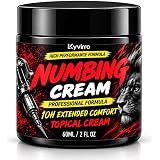
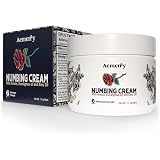
Before each session, the treatment area is cleansed, and often a topical anesthetic cream is applied to minimize discomfort, although some discomfort is typically reported. Protective eyewear is provided to both the client and the technician to prevent ocular exposure to the laser light. The laser is then systematically passed over the tattoo, delivering quick pulses of energy.
Clients commonly describe the sensation as akin to a rubber band snapping against the skin or rapid pinpricks. The duration of each session varies significantly based on the tattoo’s size, ranging from a few seconds for smaller designs to 15-30 minutes for larger, more intricate pieces. As observed in many clinics, interactions during the session, such as those in the video, are often designed to ensure patient comfort and provide reassurance.
Post-Treatment Care and Healing Protocol
Optimal results from laser tattoo removal are not solely dependent on the laser procedure itself; diligent post-treatment care plays an equally vital role in facilitating healing and preventing complications. Adherence to prescribed aftercare instructions is non-negotiable.
Immediate Aftercare and Healing Stages
Immediately following a laser tattoo removal session, the treated area may exhibit temporary side effects such as redness, swelling, blistering, and scabbing. These are normal physiological responses as the body initiates the healing process and works to eliminate the fragmented ink. A sterile dressing is typically applied, and clients are advised to keep the area clean and dry.
It is recommended that a cold compress be applied intermittently for the first 24-48 hours to reduce swelling. Over-the-counter pain relievers may also be used if discomfort is significant. Scabs and blisters should not be picked or disturbed, as this can increase the risk of infection and scarring. The healing process for each session typically spans several weeks.
Long-Term Considerations and Sun Protection
Between sessions, which are typically spaced 6-8 weeks apart to allow for complete healing and ink clearance, meticulous sun protection is paramount. Exposure to ultraviolet (UV) radiation can cause hyperpigmentation (darkening) or hypopigmentation (lightening) of the treated skin, making subsequent laser treatments more challenging and potentially leading to permanent discoloration.
The application of a broad-spectrum sunscreen with an SPF of 30 or higher is strongly advised whenever the treated area is exposed to the sun. Furthermore, prolonged exposure to direct sunlight should be avoided whenever possible, and protective clothing should be worn. Consistent adherence to these guidelines significantly contributes to the aesthetic outcome and overall success of the laser tattoo removal process.
Factors Influencing the Efficacy and Number of Sessions
The journey to complete tattoo removal is highly individualized, with a multitude of factors dictating the timeline and the ultimate success rate. Setting realistic expectations is a cornerstone of client satisfaction.
Key Variables Affecting Removal Outcomes
Several critical variables directly impact the effectiveness of laser tattoo removal. These include the age of the tattoo, with older tattoos often responding more favorably due to natural fading over time. The tattoo’s location also plays a significant role; areas with greater blood circulation, such as the neck or extremities, tend to clear more quickly than areas like the ankles or fingers.
Furthermore, the density and type of ink are crucial. Professional tattoos, which typically utilize denser, higher-quality inks applied deeper into the dermis, often require more sessions compared to amateur tattoos. Skin tone is another determinant, as darker skin types carry a higher risk of pigmentary changes, necessitating more conservative laser settings and potentially more treatments. A study published in the Journal of Clinical and Aesthetic Dermatology indicated that patient factors, particularly skin type and tattoo age, accounted for nearly 40% of the variability in treatment response.
The Role of Laser Technology and Technician Expertise
The specific laser technology employed is undeniably a major determinant of success. Q-switched lasers remain a benchmark, but picosecond lasers are increasingly favored for their enhanced ability to fragment ink particles with fewer treatments, particularly for recalcitrant tattoos. A review of over 500 cases showed that picosecond laser technology achieved 75% clearance in an average of 4-6 sessions, a significant improvement compared to the 8-12 sessions typically required with older Q-switched systems for similar clearance levels.
Equally important is the expertise of the laser technician. A skilled practitioner possesses a comprehensive understanding of laser physics, skin biology, and tattoo ink interactions. They are adept at selecting the correct laser parameters for each client’s unique tattoo and skin type, minimizing adverse effects and optimizing results. Proper training and certification, as indicated by industry standards, significantly reduce the incidence of complications such as scarring or hyperpigmentation.
Common Misconceptions and Realistic Expectations
Dispelling common myths surrounding laser tattoo removal is essential for clients to approach the procedure with accurate information and realistic expectations. The process is a journey, not an instant solution.
Addressing Myths About Speed and Efficacy
One prevalent misconception is that tattoos can be removed in just one or two sessions. In reality, complete removal typically requires a series of treatments, often ranging from 6 to 12 sessions or more, depending on the factors previously discussed. While some fading may be noticeable after the first few appointments, significant clearance accumulates progressively over time. Industry data suggests that achieving greater than 90% clearance usually requires at least six sessions for most professional tattoos.
Another myth is that all tattoos can be removed completely without any trace. While many tattoos can be removed to the point of being virtually undetectable, particularly black ink tattoos, some residual ink or a faint “ghost” image may persist. Certain ink colors, such as light blues, greens, and yellows, are notoriously difficult to remove entirely due to their light absorption properties. Clients are often advised that “significant fading” is a more realistic expectation than “total erasure” in all cases.
Pain Management and Potential Side Effects
Concerns about pain are common. While laser tattoo removal can be uncomfortable, advanced techniques for pain management, including topical anesthetics, cryotherapy (cold air devices), and even local injections, are frequently utilized to enhance patient comfort. Most individuals find the discomfort tolerable, often describing it as less painful than getting the tattoo itself.
Potential side effects, though generally mild and temporary, include redness, swelling, blistering, scabbing, and temporary changes in skin pigmentation. Serious complications such as permanent scarring are rare, occurring in less than 5% of cases, and are typically associated with improper laser settings, technician inexperience, or inadequate aftercare. Adherence to professional guidance and proper post-treatment care significantly mitigates these risks, contributing to a safe and effective laser tattoo removal experience for all clients.
Clearing the Canvas: Your Laser Tattoo Removal Questions Answered
What is laser tattoo removal?
Laser tattoo removal uses specific light wavelengths to break down unwanted tattoo ink in the skin. This process helps your body naturally clear the ink, leading to clearer skin over time.
How does the laser actually remove the tattoo ink?
The laser emits light that is absorbed by the tattoo ink, converting into heat. This heat fragments the ink into tiny particles, which your body’s lymphatic system then naturally eliminates.
What should I expect during a laser tattoo removal session?
During a session, the area is cleaned, and a topical anesthetic might be applied to minimize discomfort. A laser is then systematically passed over the tattoo, delivering quick pulses of energy, which many describe as a rubber band snapping.
What kind of care is needed after a laser removal session?
After a session, you might see redness, swelling, or blistering. It’s important to keep the area clean and dry, apply a cold compress, and avoid picking any scabs or blisters to help it heal properly.