Caring for a new tattoo properly is absolutely crucial for its longevity and your health. If you just got a beautiful new piece of body art and the artist wrapped it up like a precious gift, you’re likely wondering what to do next to ensure it heals perfectly. The video above demonstrates the fundamental steps, and this guide will dive deeper into each stage of new tattoo aftercare, offering comprehensive advice to protect your investment and keep your skin healthy.
Understanding the Importance of New Tattoo Aftercare
A fresh tattoo isn’t just a piece of art; it’s an open wound that requires careful attention to prevent infection and ensure vibrant, lasting results. The initial healing period, typically the first few weeks, is the most critical time for proper care. Neglecting the aftercare steps can lead to serious complications such as infections, scarring, or a faded, distorted tattoo. Your tattoo artist has done their part; now it’s your turn to actively participate in the healing journey.
Proper aftercare protects your skin barrier, allowing it to regenerate without interruption. It also minimizes inflammation and scabbing, which are natural parts of the healing process but can be exacerbated by poor care. Think of your new tattoo as a delicate canvas that needs to be nurtured back to strength. Following a strict aftercare routine is the best way to preserve the intricate details and colors of your design for years to come.
Step-by-Step Guide to Healing a New Tattoo
The first few hours and days are paramount for new tattoo healing. These steps are designed to keep your tattoo clean, moisturized, and free from contaminants.
1. Carefully Remove the Initial Wrapping
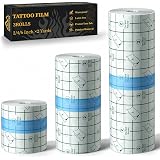
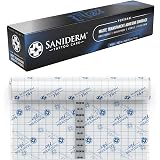
Your tattoo artist typically wraps your new tattoo to protect it from bacteria and friction immediately after the session. Most artists use medical-grade plastic wrap, often similar to kitchen cling wrap, or a specialized breathable adhesive film. As the video mentions, if your tattoo was wrapped in cling wrap, you should gently remove it after a couple of hours. This initial wrapping protects against environmental pathogens and excessive bleeding or plasma leakage.
The “couple of hours” recommendation allows the tattoo to settle and any initial bleeding or weeping to subside while being contained. Leaving it on too long can create a moist, warm environment perfect for bacterial growth, especially with non-breathable wraps. When you take off the wrap, do it slowly and carefully, being mindful not to tug at your fresh skin. If it’s a specialized adhesive film like Saniderm or Tegaderm, your artist will give you specific instructions, which often involve keeping it on for several days.
2. The First Wash: Gentle Cleansing is Key
Once the initial wrapping is off, your tattoo needs its first thorough cleaning. This step is vital for removing any lingering blood, plasma, or excess ointment from the tattooing process. You should wash the area with lukewarm water and a mild, fragrance-free antibacterial soap. Harsh chemicals or strong fragrances can irritate your delicate new skin, potentially hindering the healing process or causing allergic reactions.
Pump a small amount of the chosen cleanser onto your clean hand and gently massage it onto the tattooed area. Use a light, circular motion to work the soap over the skin, ensuring you cover the entire tattoo. The goal is to remove any residue without scrubbing or damaging the tattoo. Rinse thoroughly with lukewarm water until all traces of soap, plasma (a clear, yellowish fluid), and blood are gone. This cleansing process should be repeated two or three times a day for at least the first few days.
3. Drying Your Tattoo: A Crucial Detail
After washing, drying your tattoo correctly is just as important as the wash itself. Avoid using a regular cloth towel, as these can harbor bacteria even if freshly laundered. Instead, always reach for a clean, brand new paper towel. Gently pat the entire tattooed area dry with the paper towel. Do not rub; patting is a softer, safer approach that minimizes friction and potential damage to the healing skin.
The video emphasizes the importance of letting the tattoo fully air dry after patting. This step is critical because applying ointment to a damp tattoo can trap moisture against the skin. This trapped moisture can create an ideal breeding ground for bacteria, leading to irritation or infection. Give your tattoo a few minutes to breathe and ensure it feels completely dry to the touch before proceeding to the next step. This also allows the pores to close slightly, preparing the skin for moisturizing.
4. Applying Tattoo Aftercare Balm or Ointment
Once your tattoo is completely dry, it’s time to moisturize. For fresh tattoos, many prefer using a dedicated tattoo aftercare balm or ointment rather than just regular lotion. These products are specifically formulated to support the healing process, often containing ingredients that soothe the skin, reduce inflammation, and protect against infection. A good aftercare product provides a protective barrier while still allowing the skin to breathe.
Apply a very thin layer of your chosen balm throughout the tattoo and gently rub it in until it’s barely visible. The key here is “thin layer.” Applying too much ointment can suffocate the skin, clog pores, and trap moisture, again risking bacterial growth. You want just enough to keep the skin moisturized and supple, preventing excessive dryness and cracking. This gentle application helps the skin remain flexible during the initial healing phase, which prevents deep scabbing that can pull out ink.
5. Consistent Care: Repeat for Optimal Healing
The steps of washing, drying, and moisturizing form the core of new tattoo aftercare. You should repeat these steps two or three times a day for at least the first few days, and often for the first two to three weeks, depending on your artist’s advice and how your skin reacts. Consistency is vital for successful healing. Skipping a wash could lead to a buildup of plasma and dead skin cells, forming thick scabs that can damage the tattoo.
Establish a routine that fits into your daily schedule, perhaps once in the morning, once in the afternoon, and once before bed. Beyond the first few days, you might reduce the frequency of washing but continue moisturizing regularly. Listen to your body and your tattoo; if it feels dry or tight, apply a thin layer of balm. Remember that the entire healing process can take anywhere from two weeks to several months, with the surface healing being the quickest, but deeper layers taking longer.
Beyond the Basics: Essential Tattoo Healing Tips
While the video provides excellent foundational steps, ensuring your new tattoo heals perfectly involves more than just washing and moisturizing. Understanding these additional considerations can make a significant difference in the final appearance and health of your tattoo.
Protecting Your New Tattoo from the Sun
Direct sunlight is one of the biggest enemies of a new tattoo. UV rays can cause immediate damage to the healing skin, leading to fading, blistering, and intense irritation. For at least the first few weeks, keep your tattoo completely covered when outdoors. Wear loose-fitting clothing that protects the area without rubbing against it. Once your tattoo is fully healed (typically after 4-6 weeks), always apply a high SPF sunscreen to it whenever it’s exposed to the sun. This practice is crucial for maintaining the vibrancy of your tattoo over its lifetime and preventing premature fading.
Avoiding Soaking in Water
For the first 2-4 weeks, avoid swimming pools, hot tubs, baths, and any prolonged water immersion. Soaking a new tattoo can introduce bacteria from the water into the open wound, increasing the risk of infection. It can also cause the skin to become waterlogged, potentially leading to ink loss and disrupting the natural healing process. Stick to quick showers where you can control the water flow and avoid directly blasting the tattooed area with high-pressure water.
Resisting the Urge to Pick or Scratch
As your tattoo heals, it will likely start to itch and possibly form scabs. This is a normal part of the healing process. However, it’s incredibly important to resist the urge to pick at scabs or scratch the itchy skin. Picking can pull out ink, create scars, and introduce bacteria, while scratching can irritate the skin and prolong healing. If the itching becomes unbearable, gently pat the area or apply a very thin layer of your aftercare balm to soothe it. Staying hydrated can also help reduce excessive dryness and itchiness.
Choosing the Right Clothing
During the healing period, opt for loose, breathable clothing. Tight clothing can rub against your new tattoo, causing irritation, friction, and potentially pulling off scabs. Materials like cotton are excellent choices as they allow air circulation, which is beneficial for healing. Avoid synthetic fabrics that can trap moisture and heat, creating an unfriendly environment for your healing skin. If your tattoo is in an area that’s difficult to keep uncovered, ensure the fabric is soft and clean.
Staying Hydrated and Eating Well
Your body needs optimal conditions to heal efficiently, and that includes proper nutrition and hydration. Drinking plenty of water helps keep your skin supple and aids in cellular regeneration. A balanced diet rich in vitamins and minerals also supports your immune system, which is actively working to repair your skin and fight off potential infections. Think of it as providing your body with the building blocks it needs to perfectly heal a new tattoo.
Recognizing Signs of Infection
While proper aftercare significantly reduces the risk, it’s essential to be aware of the signs of infection. These include excessive redness, swelling, intense pain (beyond initial soreness), a foul odor, pus discharge, or fever. If you notice any of these symptoms, do not hesitate to contact your tattoo artist and, more importantly, seek medical attention immediately. Early detection and treatment are key to preventing serious complications and preserving your tattoo.
By following these detailed steps and additional tips, you are giving your new tattoo the best possible chance to heal beautifully. Remember, patience and consistency are your greatest allies in the journey to a vibrant, long-lasting piece of art. This comprehensive approach ensures you effectively support the delicate process of healing a new tattoo.
Beyond the Bandage: Your Healing Tattoo Q&A
Why is it important to take care of a new tattoo?
A new tattoo is an open wound that needs careful attention to prevent infection, scarring, and fading. Proper aftercare ensures your tattoo heals vibrantly and maintains its quality for years.
What is the first step after getting a new tattoo?
You should carefully remove the initial cling wrap after a couple of hours, as directed by your artist. If your tattoo has a specialized adhesive film, follow your artist’s specific instructions for removal.
How should I clean my new tattoo?
Gently wash your tattoo with lukewarm water and a mild, fragrance-free antibacterial soap using clean hands. Lightly massage the soap over the tattooed area in a circular motion, then rinse thoroughly until all residue is gone.
How do I moisturize my new tattoo?
After patting your tattoo dry with a clean paper towel and letting it air dry completely, apply a very thin layer of dedicated tattoo aftercare balm or ointment. Gently rub it in until it’s barely visible.
What should I avoid doing while my tattoo is healing?
Avoid direct sunlight, soaking your tattoo in baths or pools, picking at any scabs, scratching the itchy skin, and wearing tight clothing that could rub against it.