Navigating the intricate journey of tattoo healing requires patience, diligence, and an informed approach. While the accompanying video visually chronicles the day-by-day progression from a fresh tattoo through the initial 30 days, understanding the biological processes and critical aftercare protocols is paramount for achieving optimal aesthetic outcomes and ensuring skin health. A fresh tattoo is, in essence, an open wound, and its successful integration into your skin depends heavily on how meticulously you manage its various healing stages. Professional tattoo artists meticulously implant pigment into the dermal layer, necessitating a robust epidermal regeneration to seal and protect the ink, a complex process that typically spans several weeks.
The science behind tattoo healing involves several cellular mechanisms aimed at repairing damaged tissue and encapsulating the foreign pigment. Initially, the body’s immune system activates, dispatching white blood cells to the tattooed area to clear debris and prevent infection. Concurrently, fibroblasts begin producing collagen, the structural protein essential for skin repair. This intricate dance of cellular activity contributes to the visual changes observed in the tattoo’s appearance over the initial weeks, transforming it from a raw wound to a fully integrated piece of art. Proper aftercare protocols significantly influence the efficiency and success of these biological responses.
Understanding the Tattoo Healing Journey: The Initial Trauma (Days 1-3)
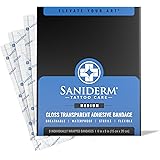
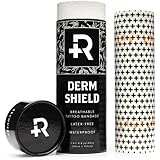
Immediately following your tattoo appointment, the skin around the artwork will appear red, swollen, and may ooze a combination of blood plasma, lymph fluid, and excess ink. This acute inflammatory response is the body’s natural defense mechanism, signaling the initiation of the healing process. Professional artists often apply a protective bandage, typically left on for a few hours or even several days depending on the type (e.g., traditional cling film vs. specialized breathable dermal bandages like Saniderm). Removing this dressing reveals the full extent of the fresh trauma, necessitating immediate, gentle cleansing with an antibacterial, fragrance-free soap.
During these critical first 72 hours, the primary objective is to keep the wound clean and hydrated without over-saturating it. Studies indicate that a clean, moist environment promotes faster wound healing and reduces the risk of infection by up to 50% compared to dry healing methods. It is crucial to avoid submerging the tattoo in water, such as baths or swimming pools, as this can introduce bacteria and compromise the integrity of the nascent healing skin. Moreover, direct sun exposure during this phase is highly detrimental, as UV radiation can degrade the fresh pigment and exacerbate inflammation.
Epidermal Regeneration and Scab Formation: The Mid-Healing Phase (Days 4-10)
As the initial swelling subsides, the tattoo surface will begin to form a thin, protective layer, often described as scabbing or flaking. This stage, typically observed from day four onward, signifies the epidermal cells actively regenerating to create a new skin barrier over the tattooed dermis. The scabbing might vary in thickness; thicker scabs can indicate a heavier hand during tattooing or potential areas of deeper trauma, which might extend the tattoo healing timeline. Itching is a common, often intense, symptom during this period, stemming from the nerve endings re-establishing themselves within the new skin growth.
Resisting the urge to scratch or pick at these scabs is paramount, as prematurely removing them can pull out ink, leading to patchy areas or scarring. A recent survey suggests that over 30% of tattoo recipients admit to picking scabs, a practice that increases the risk of complications by 25%. Instead, gentle moisturizing with a thin layer of an approved, non-comedogenic aftercare product can alleviate dryness and itching. This also supports the natural shedding process, where dead skin cells, along with excess ink particles, are exfoliated from the surface, revealing the tattoo’s true colors beneath.
Peeling, Flaking, and Deeper Dermal Healing (Days 11-20)
Between day 11 and day 20, the tattoo will undergo a more pronounced peeling and flaking phase, akin to the shedding after a severe sunburn. The skin may appear dry, dull, or even “milky” as the outer layers continue to exfoliate. This is a normal part of the tattoo healing process and indicates that the superficial epidermal regeneration is largely complete. While the top layers of skin are actively shedding, the deeper dermal layers where the ink resides are still undergoing significant remodeling and stabilization. The ink, once vibrant, may temporarily appear faded or blurry until the new skin fully settles.
Consistent, yet light, moisturizing remains critical during this period to maintain skin elasticity and prevent excessive dryness, which can prolong itching and discomfort. Experts recommend applying moisturizer 2-3 times daily, ensuring the skin remains supple without becoming saturated. Furthermore, avoiding tight clothing that rubs against the healing tattoo minimizes irritation and friction, which could compromise the newly formed epidermal barrier. The tattoo’s surface will gradually become smoother and the colors will begin to regain their vibrancy as the translucent epidermal layer matures.
Finalizing the Tattoo Healing Process: Maturation and Integration (Days 21-30+)
By the three-week mark and extending into the full 30-day period, the tattoo will appear outwardly healed. The peeling and flaking should have subsided, and the skin surface will feel smooth and even. The colors will look clearer, and the lines sharper, as the epidermal layer has fully closed over the dermis, effectively encapsulating the ink. However, it is a common misconception that the tattoo is “fully healed” at this point. While superficial healing is complete, the deeper dermal layers and underlying tissue continue to mature and stabilize for several more months, often up to 3-6 months, or even longer for larger, more complex pieces.
During this extended maturation phase, the collagen fibers within the dermis continue to reorganize and strengthen, further integrating the ink particles within the skin matrix. This is a crucial period for the long-term integrity and appearance of the tattoo. Maintaining a consistent moisturizing routine and vigilant sun protection are essential practices that extend well beyond the initial 30 days. Ignoring these aspects can lead to premature fading, blurring, or textural changes in the tattoo over time, even if the initial healing seemed successful. The longevity of your tattoo’s vibrancy hinges on this sustained care.
Critical Aftercare Protocols for Optimal Tattoo Healing
Achieving a beautifully healed tattoo extends beyond merely watching the days pass; it demands active participation in a meticulous aftercare regimen. The specific instructions provided by your tattoo artist should always take precedence, as they tailor advice to their techniques and chosen products. However, several universal principles underpin successful tattoo healing and contribute significantly to the integrity of the tattoo healing process.
- Gentle Cleansing: Wash the tattoo 2-3 times daily with an unscented, antibacterial soap and lukewarm water. Pat dry with a clean paper towel to avoid lint and reduce friction. This minimizes bacterial accumulation and prepares the skin for moisturization.
- Consistent Moisturization: Apply a thin layer of artist-approved, fragrance-free lotion or balm. Over-moisturizing can suffocate the skin and create a breeding ground for bacteria, potentially compromising the tattoo healing.
- Avoid Soaking and Submersion: Refrain from baths, swimming pools, hot tubs, and saunas for at least 2-4 weeks. Excessive moisture can compromise the healing skin and introduce pathogens.
- Sun Protection: Direct sun exposure is detrimental to a new tattoo. UV rays can cause immediate fading and hinder healing. Keep the tattoo covered with loose clothing or stay in the shade until fully healed. After healing, always use a high-SPF sunscreen to protect the tattoo’s vibrancy.
- No Picking or Scratching: Resist the urge to pick at scabs or scratch itchy skin. This can lead to ink loss, scarring, and increased risk of infection, fundamentally disrupting the tattoo healing process.
- Loose Clothing: Wear loose, breathable fabrics over the new tattoo to prevent irritation and allow proper airflow, which is crucial for skin respiration and healing.
- Stay Hydrated and Healthy: A well-hydrated body with good nutrition supports overall skin health and can positively influence the healing capabilities of your skin.
- Recognize Signs of Infection: Be vigilant for excessive redness, swelling, severe pain, pus, foul odor, or fever. These are signs of infection and require immediate medical attention. Timely intervention can prevent significant damage to the tattoo and your health.
Ultimately, the investment in a tattoo extends beyond the initial cost; it encompasses the dedication to proper tattoo healing and aftercare. By understanding the physiological stages and adhering to meticulous care protocols, you safeguard your body art and ensure its lasting beauty and clarity.
Unraveling Your Tattoo’s Healing Journey: A Day-by-Day Q&A
What is a new tattoo and how should I think about its healing?
A fresh tattoo is essentially an open wound. Its successful healing depends heavily on how carefully you manage its various stages and aftercare.
What should I expect right after getting a new tattoo, in the first few days?
Immediately after, the skin around your tattoo will likely be red, swollen, and might ooze a bit of fluid. Your primary goal during these first 72 hours is to keep it clean and gently hydrated.
Why is my new tattoo starting to scab, flake, or peel?
Scabbing, flaking, and peeling are normal signs that your skin is regenerating and forming a new protective layer. It’s crucial not to pick or scratch at these areas to avoid damaging the tattoo.
How long does it take for a tattoo to fully heal?
While the surface of your tattoo will appear healed in about 3-4 weeks, the deeper skin layers continue to mature and stabilize for several more months. Long-term care like moisturizing and sun protection is essential.
What are the most important things I need to do to care for my new tattoo?
Key aftercare steps include gently washing your tattoo 2-3 times daily, applying a thin layer of fragrance-free moisturizer, avoiding soaking it in water, and protecting it from direct sun exposure.