Navigating the initial stages of healing a new tattoo can often feel daunting, especially with the array of aftercare products available today. Modern advancements have introduced methods like the use of “second skin” products, such as Saniderm, which offer a protective barrier and promote an optimal healing environment. This approach has largely superseded traditional methods like saran wrap, providing a more sterile and comfortable experience for individuals seeking to protect their fresh body art.
As discussed in the accompanying video, many individuals face uncertainty regarding the precise application and removal protocols for Saniderm. The critical first steps in your tattoo aftercare journey with a product like Saniderm can significantly influence the final appearance and health of your new tattoo. Understanding these proper guidelines is essential for achieving the best possible healing outcomes and preserving the vibrancy of your artwork for years to come.
Understanding Saniderm: A Modern Approach to Tattoo Aftercare
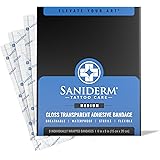
Saniderm is a specialized transparent, adhesive, and breathable bandage designed to protect new tattoos. It acts as a barrier against bacteria, dirt, and friction, creating a moist healing environment that is crucial for rapid cell regeneration and reduced scabbing. This innovative dermal bandage effectively seals in your body’s natural healing enzymes, which contribute to a smoother and more comfortable healing process compared to traditional methods that often rely on dry healing or frequent washing and re-bandaging.
The primary benefit of using Saniderm on a new tattoo lies in its ability to minimize the risk of infection while promoting faster healing. By maintaining a moist environment, the formation of thick scabs is significantly reduced, which in turn helps to prevent ink loss and ensures a more vibrant, smooth tattoo once healed. This method simplifies aftercare, allowing individuals to go about their daily routines with greater ease and less worry about damaging their fresh ink.
The Initial Application: Timing and Expectations for Your First Saniderm Sheet
Following your tattoo session, the initial application of Saniderm is a time-sensitive process. As advised by professionals, this first sheet should ideally be applied by your tattoo artist or yourself within 30 to 45 minutes of the tattoo’s completion. This specific window allows for the initial weeping of plasma and ink to settle slightly, while still ensuring the fresh wound is covered before significant exposure to environmental contaminants.
Upon application, it is entirely normal to observe some accumulation beneath the first Saniderm sheet. This mixture, often referred to as “the weep,” comprises blood, plasma, and excess ink. While it might appear unsettling or “gross” to a first-time user, this is a natural physiological response as your body begins the healing process. The plasma contains essential proteins and white blood cells that are vital for wound closure and preventing infection. Therefore, this initial accumulation is a sign that your body is actively working to heal the new tattoo.
When to Remove the First Saniderm Layer
The first Saniderm sheet should be worn for a maximum of 24 hours. Adhering to this specific timeframe is crucial because the initial weeping contains the highest concentration of fluid and discarded ink. Leaving this fluid on the skin for too long can lead to skin maceration, where the skin becomes soft and fragile due to prolonged moisture exposure, potentially hindering the healing process or fostering bacterial growth. Prompt removal at the 24-hour mark facilitates proper cleaning and assessment of the tattoo before proceeding with further healing stages.
Detailed Steps for Removing and Cleaning Your Tattoo
Removing the first Saniderm sheet requires a gentle approach to avoid irritating your new tattoo. It is recommended to pull the film slowly by stretching it horizontally along your skin rather than peeling it straight up. This method minimizes discomfort and reduces the likelihood of damaging the delicate healing skin. If removal proves challenging, performing it under warm running water in the shower can help to loosen the adhesive.
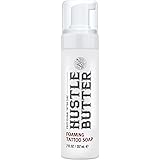
Once the bandage is removed, the cleaning process is paramount. Wash the tattoo thoroughly with a mild, antibacterial, and fragrance-free soap. Utilize your clean fingertips to gently lather and cleanse the entire tattooed area, removing all traces of blood, plasma, and residual ink. This step is vital for preventing potential infection and preparing the skin for the next stage of healing. Avoid using harsh cloths, sponges, or abrasive movements that could disrupt the healing epidermis.
After washing, it is imperative to dry the tattoo completely before applying the next sheet of Saniderm. You can either gently pat the area dry with a clean paper towel or allow it to air dry for several minutes. Ensuring the tattoo is fully dry prevents moisture from becoming trapped under the new bandage, which could lead to skin irritation or bacterial proliferation. A completely dry surface also ensures optimal adhesion of the subsequent Saniderm application.
Applying the Second Saniderm Sheet: Longevity and Monitoring
Once your new tattoo is clean and completely dry, it is time to apply the second sheet of Saniderm. Before application, ensure your hands are thoroughly washed. Cut the Saniderm to a size that extends at least one inch beyond the edges of your tattoo on all sides. Carefully apply the new piece, smoothing it out from the center outwards to eliminate any air bubbles. Proper application creates a secure and comfortable seal, crucial for the next phase of healing.
This second sheet of Saniderm is designed for extended wear, typically for up to six days, provided the tattoo does not continue to weep significantly. The reduction in fluid production after the initial 24 hours often allows for this longer period of protection, enabling uninterrupted healing. During this time, the Saniderm continues to shield the tattoo from external contaminants while maintaining the ideal moist environment that encourages optimal cell regeneration and minimizes scabbing, leading to better overall tattoo healing.
Addressing Continued Weeping and Third Application Protocols
In some instances, particularly with larger or more heavily saturated tattoos, the tattoo may continue to weep into the second piece of Saniderm. If you observe significant fluid accumulation under the second sheet within the first 24 hours of its application, it indicates that the healing process still involves substantial fluid production. In such cases, it is necessary to repeat the removal, cleaning, and drying process, just as you did after the first sheet.
Following this, a third sheet of Saniderm can be applied. This final piece can typically be worn for up to five days, assuming no further significant weeping occurs. It is important to monitor your tattoo closely during this period. While Saniderm is highly effective, prolonged or excessive weeping could indicate a need for professional assessment or a shift to different aftercare methods. Generally, a maximum of three Saniderm applications should suffice for most new tattoos to complete the initial critical healing phase.
Common Mistakes to Avoid While Using Saniderm
While Saniderm significantly simplifies tattoo aftercare, certain mistakes can impede its effectiveness or compromise the healing process. A prevalent error is applying Saniderm to a tattoo that isn’t completely dry. Trapped moisture can create a breeding ground for bacteria, leading to skin irritation, rashes, or even infection. Always ensure the tattoo is thoroughly air-dried or gently patted dry with a clean paper towel before application.
Another common misstep involves stretching the Saniderm too tightly during application. Excessive stretching can cause the film to pull uncomfortably on the skin, leading to blistering, redness, and discomfort, especially around joints or highly mobile areas. Furthermore, neglecting to properly clean the tattoo before reapplication can trap bacteria and debris under the sterile bandage, undermining the protective benefits of the Saniderm and potentially introducing infection. Always prioritize meticulous cleaning and drying for optimal new tattoo healing.
When to Seek Professional Advice During Tattoo Aftercare
While proper Saniderm application aids significantly in healing your new tattoo, recognizing when to seek professional medical advice is crucial. If you experience signs of infection such as excessive redness that spreads beyond the tattoo, increased warmth, throbbing pain, pus discharge, or a fever, immediate consultation with a healthcare professional is necessary. These symptoms indicate a potential bacterial infection that requires prompt medical intervention to prevent further complications.
Similarly, should you develop an allergic reaction to the Saniderm, characterized by intense itching, blistering, or a widespread rash outside the tattooed area, remove the bandage immediately. Contact your doctor or a walk-in clinic to address the reaction and discuss alternative aftercare strategies. Maintaining vigilance throughout the healing process ensures the longevity and health of your new tattoo.
Your Saniderm Shield: Q&A for New Tattoos
What is Saniderm?
Saniderm is a specialized transparent, adhesive, and breathable bandage designed to protect new tattoos. It acts as a barrier against bacteria, dirt, and friction, creating a moist healing environment.
Why should I use Saniderm for my new tattoo?
Saniderm minimizes the risk of infection and promotes faster healing by maintaining a moist environment, which reduces scabbing. This helps prevent ink loss and ensures a more vibrant, smooth tattoo once healed.
When should I apply the first Saniderm sheet and how long should I wear it?
The first Saniderm sheet should be applied within 30 to 45 minutes after your tattoo is done. It should be worn for a maximum of 24 hours to allow for initial fluid collection.
What is the ‘weep’ under Saniderm, and is it normal?
The ‘weep’ is a normal accumulation of blood, plasma, and excess ink under the first Saniderm sheet. This indicates your body is actively working to heal the new tattoo.
How do I remove Saniderm and clean my tattoo?
Remove Saniderm by stretching it horizontally along your skin, gently. Afterward, wash the tattoo with a mild, antibacterial, fragrance-free soap using clean fingertips, and then dry it completely.