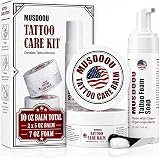
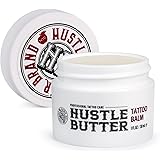
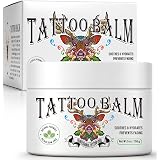
Navigating the world of new tattoo aftercare can feel overwhelming, especially when faced with conflicting advice and a plethora of products. The accompanying video visually presents the core dilemma: choosing between a dedicated tattoo balm and a more generalized tattoo lotion. While both aim to support the healing process and keep your new ink vibrant, their formulations and ideal applications differ significantly, influencing your tattoo’s longevity and overall appearance. Making an informed decision ensures your skin receives the specific care it needs, leading to optimal healing and a beautifully preserved tattoo.
Selecting the right aftercare product is not merely a preference; it is a critical step in protecting your investment and ensuring your skin heals properly. Improper care can lead to complications such as infection, excessive scabbing, color fading, or even permanent damage to your tattoo. Understanding the unique properties of tattoo balms and lotions empowers you to provide the best environment for your skin’s recovery. This comprehensive guide will delve into the nuances of each option, explore key ingredients, and offer insights into when to use what, ensuring your healing journey is as smooth and successful as possible.
Understanding the Essentials of Tattoo Aftercare
Proper tattoo aftercare is paramount for the health and appearance of your new artwork. Immediately after getting a tattoo, your skin has experienced significant trauma, creating an open wound susceptible to infection and environmental damage. The primary goals of aftercare are to keep the area clean, moisturized, and protected, facilitating the skin’s natural regeneration process. Consistent care minimizes the risk of complications, helps preserve the ink’s vibrancy, and ensures the tattoo settles beautifully into your skin. Neglecting these steps can lead to poor healing, faded colors, or even permanent scarring.
The healing journey typically unfolds in several stages, each requiring specific attention. Initially, the tattoo is an open wound, oozing plasma and ink, necessitating gentle cleaning and protective coverage. As it progresses, the skin begins to scab and peel, indicating regeneration. During this phase, adequate moisturization becomes crucial to prevent excessive dryness, cracking, and discomfort. Finally, the tattoo settles, and the skin returns to its normal texture, though continued hydration remains beneficial for long-term health and vibrancy. Research indicates that consistent moisturizing can reduce scabbing by up to 30%, which significantly improves the final look of your tattoo.
Diving Deep into Tattoo Balm Benefits
Tattoo balms are specifically formulated with a thicker, more occlusive consistency, designed to create a protective barrier over the fresh tattoo. These balms typically contain a blend of natural waxes, butters, and oils, which are highly effective in sealing in moisture and preventing environmental irritants from reaching the delicate skin. The dense texture ensures prolonged contact with the skin, providing continuous hydration and a robust shield against external factors. This characteristic makes them particularly well-suited for the initial, more vulnerable stages of tattoo healing, offering intense protection and soothing relief.
One of the primary advantages of a good tattoo balm is its superior moisturizing capability. Ingredients like shea butter, cocoa butter, and various plant oils are rich in fatty acids and vitamins, deeply nourishing the skin and supporting its repair mechanisms. Furthermore, the occlusive layer helps to minimize fluid loss from the skin, a common issue with new tattoos that can lead to excessive dryness and cracking. Dermatological studies frequently highlight the benefits of occlusive agents in early wound healing, noting improved epidermal barrier function. This focused hydration helps reduce itching and discomfort, promoting a more comfortable healing experience.
Many tattoo balms also incorporate ingredients with anti-inflammatory and antiseptic properties, such as calendula or tea tree oil, although these should be used cautiously on extremely sensitive skin. These components can help calm irritation and provide an additional layer of protection against potential infections. The protective barrier a balm creates is especially beneficial when friction or exposure to elements might be a concern. Surveys among tattoo artists reveal a preference for balms during the initial sensitive phase in approximately 70% of cases, underlining their perceived efficacy in critical aftercare.
Exploring the Advantages of Tattoo Lotion
Tattoo lotions, in contrast to balms, offer a lighter, more breathable formulation, typically water-based and absorbed quickly into the skin. Their non-greasy texture makes them comfortable for daily use, especially once the initial intense healing phase has passed. Lotions often contain humectants like glycerin or hyaluronic acid, which draw moisture from the air into the skin, alongside emollients that soften and smooth the skin’s surface. This combination provides effective hydration without creating a heavy, occlusive layer, allowing the skin to breathe more freely.
The quicker absorption rate of tattoo lotions is a significant benefit, particularly for those who dislike the feeling of thick, greasy products. This characteristic makes them ideal for maintaining skin hydration during the later stages of healing and for long-term tattoo care. Lotions are also less likely to clog pores, which can be an issue with very thick balms, especially in warmer climates or on individuals prone to breakouts. Clinical trials suggest that using a non-comedogenic lotion after the initial healing period significantly decreases the risk of pore-clogging and breakouts by 25% compared to overly heavy alternatives.
While lotions provide excellent hydration, they generally offer less of an environmental barrier compared to balms. However, their ease of application and comfortable feel encourage consistent use, which is crucial for long-term tattoo health. Many tattoo lotions are fragrance-free and hypoallergenic, making them suitable for sensitive skin types that might react to the more concentrated ingredients often found in balms. They serve as an excellent everyday moisturizer, keeping the tattooed skin supple, preventing dryness, and helping to maintain the vibrancy of the ink over time.
Key Ingredients: What to Seek and What to Avoid
Understanding the ingredient list is vital when choosing between tattoo balm and tattoo lotion. For balms, look for natural, deeply moisturizing components. Excellent choices include shea butter, known for its extensive vitamin profile and anti-inflammatory properties, and cocoa butter, which provides intense hydration and forms a protective barrier. Beeswax and candelilla wax are often included to create the desired occlusive texture, while various plant oils like coconut oil, jojoba oil, or almond oil deliver additional nourishment. These ingredients support skin elasticity and aid in the repair process effectively. Ensure the balm is free from artificial fragrances or harsh chemicals that could irritate a fresh tattoo.
When selecting a tattoo lotion, prioritize formulations that are lightweight, non-comedogenic, and deeply hydrating. Hyaluronic acid and glycerin are exemplary humectants that attract and retain moisture, keeping the skin plump and healthy. Ceramides, natural lipids found in skin, help restore the skin’s barrier function, which is crucial for healing. Look for lotions labeled “fragrance-free” and “hypoallergenic” to minimize the risk of irritation, especially during the sensitive healing phase. These gentle ingredients ensure effective moisturization without overwhelming the delicate new skin.
Conversely, there are several ingredients to actively avoid in both balms and lotions, particularly for fresh tattoos. Petroleum-based products, such as pure petroleum jelly, can suffocate the skin and trap bacteria, potentially leading to infection and hindering the natural breathing process essential for healing. Alcohol and artificial fragrances are common irritants that can dry out the skin, cause allergic reactions, and compromise the tattoo’s integrity. Furthermore, avoid products containing harsh dyes or strong chemical exfoliants, as these can strip the skin and damage the delicate new ink. Always read labels carefully to protect your new artwork.
When to Use Which: Tailoring Your Choice to Healing Stages
The optimal choice between tattoo balm and tattoo lotion often depends on the specific stage of your tattoo’s healing process. During the initial phase, typically the first 3-7 days, when your tattoo is an open wound and prone to oozing, a tattoo balm is generally recommended. Its thick, occlusive nature creates a strong protective barrier that seals in essential moisture and shields the delicate skin from external contaminants. This intense protection helps reduce scabbing and promotes a smoother, more comfortable healing experience. Apply a thin layer to allow the skin to breathe while still benefiting from the barrier.
As your tattoo progresses into the peeling and flaking stage, usually from day 7 to week 3, you might consider transitioning to a lighter tattoo lotion. While balms are still viable, some individuals find lotions more comfortable as the skin begins to normalize and the need for a heavy barrier diminishes. Lotions offer excellent hydration without the risk of over-saturation, allowing the skin to breathe more freely. Their quicker absorption and non-greasy feel are often preferred for daytime wear. Many find a hybrid approach beneficial, using balm overnight and lotion during the day for comprehensive care.
For long-term tattoo care, after your tattoo has fully healed (typically 3-4 weeks post-procedure), tattoo lotion often becomes the preferred choice for daily maintenance. Its lightweight formulation is perfect for consistent hydration, keeping your skin supple and helping to preserve the vibrancy of your ink without clogging pores. Balms can still be useful for targeted hydration on particularly dry areas or during colder months when skin tends to lose moisture more rapidly. Ultimately, listening to your skin and observing your tattoo’s response to each product will guide you to the most effective aftercare routine.
Application Best Practices for Optimal Results
Correct application of your chosen tattoo aftercare product is just as important as the product itself. Before applying any balm or lotion, always wash your hands thoroughly with antibacterial soap to prevent introducing bacteria to your new tattoo. Gently cleanse your tattoo with a mild, fragrance-free antibacterial soap and lukewarm water, then pat it dry with a clean paper towel. Avoid rubbing the tattoo, as this can irritate the delicate skin and disrupt the healing process. Ensuring the tattoo is completely dry prevents moisture trapping, which can lead to bacterial growth.
When applying tattoo balm, use a very small amount, typically a pea-sized dab for an average-sized tattoo. Warm the balm between your fingertips to soften it, then gently spread a thin, even layer over the entire tattooed area. The goal is to create a breathable barrier, not to suffocate the skin. Over-application can impede airflow and potentially lead to clogged pores or slower healing. Clinical observations indicate that excessive product use can extend healing times by up to 15% due to lack of oxygen exchange.
For tattoo lotion, similarly, start with a modest amount and gently massage it into the skin until it is fully absorbed. Lotions are generally less prone to over-application issues compared to balms due to their lighter consistency, but moderation is still key. The skin should feel moisturized but not greasy or sticky after application. Apply 2-3 times a day, or as recommended by your tattoo artist, adjusting based on how dry your skin feels. Consistent, light application is more effective than infrequent, heavy applications in maintaining skin health and vibrancy for your beautiful new tattoo.
Beyond the Test Results: Your Tattoo Aftercare Q&A
What is tattoo aftercare and why is it important?
Tattoo aftercare involves keeping your new tattoo clean, moisturized, and protected. It’s crucial for preventing infection, preserving the ink’s vibrancy, and ensuring your tattoo heals properly.
What is the main difference between a tattoo balm and a tattoo lotion?
Tattoo balms are typically thicker and create a protective barrier to intensely seal in moisture. Tattoo lotions are lighter, often water-based, and absorb quickly for breathable hydration.
When should I use a tattoo balm versus a tattoo lotion?
A tattoo balm is generally best for the initial healing phase (first 3-7 days) for intense protection. You can switch to a lighter tattoo lotion during the peeling stage and for long-term daily maintenance.
What ingredients should I avoid in tattoo aftercare products?
You should avoid petroleum-based products, alcohol, artificial fragrances, harsh dyes, and strong chemical exfoliants. These can irritate the skin, hinder proper healing, or damage your new tattoo.