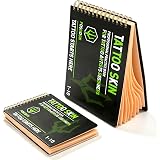
The allure of temporary body art offers a canvas for self-expression without the lifetime commitment. Yet, the common pitfall for many enthusiasts is premature fading, uneven application, or a less-than-vibrant finish, often stemming from an incomplete understanding of the application and aftercare process. Achieving a striking, long-lasting temporary tattoo isn’t merely about sticking it on; it’s a nuanced art, requiring precision and adherence to specific protocols. This comprehensive guide, complementing the visual instructions in the video above, delves into the intricacies of applying and caring for your KINK Tattoo Stickers, ensuring each design adheres flawlessly and displays its full aesthetic potential.
Pre-Application Mastery: The Foundation of Flawless Adhesion
Before even considering design placement, optimal skin preparation is paramount for any temporary tattoo, especially for products like KINK Tattoo Stickers. The epidermal layer is constantly shedding, carrying with it natural oils, dead skin cells, and environmental residues that can severely impede decal adhesion. Research indicates that proper skin cleansing can enhance temporary tattoo longevity by up to 30%, minimizing early lift and ensuring uniform pigment transfer.
To prepare your canvas, begin by thoroughly cleaning the chosen skin area with mild soap and water. Follow this with a gentle exfoliation. While the video doesn’t explicitly mention this, removing the superficial stratum corneum creates a smoother surface, free from impediments that could disrupt the adhesive bond. Avoid oil-based cleansers, lotions, or moisturizers immediately prior to application, as residual emollients can create a barrier, compromising the tattoo’s ability to bond securely with the skin. After cleansing and exfoliating, ensure the skin is completely dry. Any residual moisture can interfere with the adhesive, leading to smudging or poor adherence.
Decoding the Decal: A Step-by-Step KINK Tattoo Sticker Application Guide
The video provides a concise visual walkthrough, but understanding the rationale behind each step enhances the outcome. This detailed breakdown ensures you leverage the advanced decal technology of your KINK Tattoo Stickers to their fullest potential.
Selecting Your Statement & Removing the Protective Film
Your journey begins with selecting the KINK Tattoo Sticker that aligns with your desired aesthetic. Once chosen, the first critical step, as highlighted in the video, is to carefully remove the transparent protective film. This film safeguards the adhesive and the design’s pigment layer. Handle the sticker by its edges to prevent transferring natural skin oils from your fingertips to the adhesive side, which could create weak points in the final application.
Strategic Placement: Positioning for Impact
With the film removed, position the adhesive side of the tattoo onto your clean, dry skin. This stage requires precision. Once the decal makes contact, repositioning can be challenging without compromising the adhesive or smudging the design. Consider the natural contours of your body, potential friction points (e.g., wrists, inner elbows), and visibility. For optimal viewing and longevity, flatter, less mobile skin areas are often ideal. Press down firmly and evenly across the entire design, ensuring no air bubbles are trapped underneath. Trapped air can lead to uneven hydration during the next step, resulting in patchy color development.
Hydration & Pigment Transfer: The Osmotic Catalyst
The video clearly instructs to “Wet the tattoo with water.” This isn’t just a casual rinse; it’s a controlled hydration process crucial for activating the pigment transfer. Using a damp sponge, cloth, or even a spray bottle, apply water evenly over the backing paper. The goal is complete saturation without oversaturation, which could cause the design to bleed. The water facilitates an osmotic process, allowing the pigment and adhesive to detach from the backing and bond with the upper epidermal layers. Typically, 20-30 seconds of consistent, gentle pressure and hydration are sufficient, but larger or more intricate designs may require slightly longer. You should be able to see the design faintly through the wet backing paper, indicating adequate saturation.
The Critical Peel: Revealing Your Art
Following proper hydration, the video shows the moment to “Take off the sticker.” This peel is crucial. Gently lift one corner of the backing paper. If the design adheres completely to the skin and appears fully transferred, you can slowly and steadily peel away the rest of the paper. If any part of the design resists or seems to stick to the paper, carefully lower the corner back down and re-apply water and pressure for another 10-15 seconds before attempting to peel again. Rushing this step is a primary cause of fragmented or incomplete temporary tattoos. Once peeled, discard the backing paper.
Post-Application Protocol: Nurturing Your New Body Art
The immediate hours following application are pivotal for the tattoo’s curing and setting, dictating its durability and appearance. Adhering to specific post-application guidelines ensures your KINK Tattoo Sticker reaches its full potential.
The Initial Dry: A Period of Delicate Curing
Once the backing paper is removed, the video emphasizes “wait for it to dry.” This isn’t just about surface dryness; it’s about the adhesive and pigment layers bonding and settling into the skin’s micro-texture. A thin, clear gel-like residue may be visible, as mentioned in the video’s instruction: “Do not touch any remaining gel on skin.” This residue is an integral part of the decal’s adhesive system, and disturbing it can lead to smudging, peeling, or an uneven finish. Allow the tattoo to air dry completely, which can take anywhere from 10 to 30 minutes depending on environmental humidity and tattoo size. Avoid fanning or using forced air, as this could disrupt the delicate curing process.
The Critical Six Hours: A Non-Interference Zone
The instruction “Don’t rub the tattoo within 6 hours” is a non-negotiable directive. During this critical window, the adhesive is undergoing its final curing phase, achieving maximum dermal adhesion. Any friction, scratching, or excessive movement can dislodge nascent pigment bonds or weaken the overall structure, leading to premature flaking or distortion. This period allows the temporary tattoo to fully integrate with the skin’s surface, enhancing its realism and prolonging its lifespan. Studies on temporary tattoo adhesion indicate that the initial 4-8 hours are crucial for polymer cross-linking and optimal bond strength.
The Science of Color Rendering: Unpacking the 10-Hour Phenomenon
Perhaps the most intriguing instruction from the video is the “COLOR RENDERING EFFECT AFTER 10 HOURS.” Unlike traditional sticker tattoos that display their full color immediately, KINK Tattoo Stickers often utilize a semi-permanent, skin-staining technology (similar to Jagua or genipa fruit extract, though often with synthetic, skin-safe dyes for faster development). This means the applied pigment isn’t merely sitting on the surface; it’s designed to interact with the natural amino acids in the outermost layer of your skin.
When the decal is applied and the initial adhesive dries, the clear gel contains precursors that begin a biochemical reaction with the keratin in your epidermis. This reaction is time-dependent. Over approximately 10 hours, these colorless precursors oxidize, gradually deepening in color from a faint, often blue-green tint to the final, rich, tattoo-like shade. This slow development process is what gives KINK Tattoo Stickers their remarkably realistic appearance, mimicking the subcutaneous pigment of permanent tattoos rather than a superficial sticker. Environmental factors like skin temperature and hydration can subtly influence the exact rendering time and final hue, but the 10-hour mark is a reliable benchmark for full color saturation.
Optimizing Longevity: Extending the Life of Your KINK Tattoo
While KINK Tattoo Stickers offer temporary body art, strategic care can significantly prolong their visual integrity. Understanding the factors that degrade temporary tattoos is key to maximizing their lifespan, typically ranging from 3 to 10 days depending on various elements.
Mindful Hydration and Cleansing
The video states, “You can touch it with water. But I don’t recommend washing as well.” This highlights a delicate balance. While incidental water exposure, such as a quick shower, is generally permissible once the tattoo has fully set (after the initial 6-10 hour curing period), prolonged soaking, vigorous scrubbing, or direct application of soap can rapidly degrade the adhesive and pigment. When showering, try to minimize direct water pressure and avoid abrasive towels on the tattooed area. Pat dry gently rather than rubbing.
Protecting Against Friction and Chemical Exposure
Friction is a primary enemy of temporary tattoos. Areas prone to rubbing against clothing, jewelry, or other body parts will inevitably fade faster. Consider placement strategically. Furthermore, many common skincare products, particularly those containing alcohol, oils, or exfoliating acids (like AHAs or BHAs), can dissolve the tattoo’s adhesive and pigment. Avoid applying sunscreens, lotions, perfumes, or bug sprays directly over your KINK Tattoo Sticker to preserve its integrity.
Environmental Considerations
Excessive sweating or prolonged sun exposure can also impact longevity. While sweat isn’t an immediate threat, consistent moisture can gradually weaken the adhesive. UV radiation, similar to its effect on permanent ink, can accelerate fading. Wearing clothing that covers the tattoo in direct sunlight can offer some protection.
Beyond Application: Safe Removal and Skin Health
When it’s time to bid farewell to your temporary masterpiece, safe removal is crucial to maintain skin health. Unlike permanent tattoos, KINK Tattoo Stickers are designed for easy, non-damaging removal.
The most effective method involves oil-based products. Apply a generous amount of baby oil, olive oil, coconut oil, or even rubbing alcohol to the tattoo. Allow it to soak for several minutes to break down the adhesive. Then, gently rub the area with a soft cloth or cotton pad. The tattoo should begin to flake or smudge away easily. Avoid harsh scrubbing, which can irritate the skin. After removal, cleanse the area with mild soap and water and apply a moisturizer to rehydrate the skin. Observing these practices ensures your skin remains healthy and ready for your next KINK Tattoo Sticker adventure.
Peel Away Your Doubts: KINK Tattoo Sticker FAQs
What are KINK Tattoo Stickers?
KINK Tattoo Stickers are a type of temporary body art that uses a semi-permanent, skin-staining technology to create realistic designs without a lifetime commitment.
How should I prepare my skin before applying a KINK Tattoo Sticker?
Before applying, clean the chosen skin area thoroughly with mild soap and water, gently exfoliate, and ensure the area is completely dry. Avoid using oil-based cleansers or moisturizers beforehand.
How long does it take for the KINK Tattoo Sticker to show its full color?
KINK Tattoo Stickers develop their full color over approximately 10 hours. The design starts faint and gradually darkens as the pigment interacts with your skin.
What should I avoid doing immediately after applying a KINK Tattoo Sticker?
After application, do not touch any remaining gel on the skin and avoid rubbing the tattoo for at least 6 hours. This allows the adhesive and pigment to properly cure and bond with your skin.
How can I remove a KINK Tattoo Sticker when I’m done with it?
To remove a KINK Tattoo Sticker, apply an oil-based product like baby oil, olive oil, or rubbing alcohol to the tattoo and let it soak for a few minutes. Then, gently rub the area with a soft cloth until the tattoo flakes away.