The journey into the world of tattooing often begins with a spark of curiosity, perhaps fueled by a stunning piece of body art or an inherent desire to create. For many aspiring artists, the initial hurdle isn’t just mastering the craft, but also the intimidating cost of professional equipment. It’s a common dilemma: how to start without breaking the bank, and whether cheap options can genuinely deliver. This very question formed the basis of the insightful video above, where an experienced tattoo artist took on the challenge of testing a remarkably inexpensive tattoo machine, acquired for just 42 Euros (excluding tax).
The experiment aimed to determine if such a budget-friendly cheap tattoo machine could effectively perform essential tattooing techniques like lining, shading, and filling. The speaker, accustomed to high-end professional tools, approached the task with objectivity, keen to offer an honest assessment to beginners contemplating similar purchases. This exploration provides invaluable insights into the capabilities and limitations of entry-level equipment, guiding those who are just starting their artistic journey or simply wish to experiment with the medium on artificial skin.
Unboxing a Budget Tattoo Kit: First Impressions and What’s Included
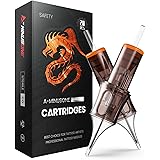
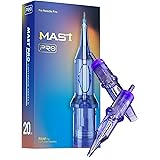
Upon unboxing the remarkably affordable tattoo kit, the contents quickly revealed the scope of this budget offering. The package included a box containing 20 needle modules, a generous quantity for the low price point, often exceeding what a beginner might expect. Furthermore, a substantial single battery was part of the set, a common inclusion that provides basic functionality, although the speaker noted the potential for workflow interruptions without a spare.
The tattoo machine itself presented a simple yet appealing design, featuring the conventional twist mechanism for needle adjustment, a standard feature even in higher-priced pens. It was surprising how many components were packed into such a low-cost ensemble; typically, the price of one or two professional needle packs alone can equal the entire cost of this kit. However, the kit only contained a minimal number of gloves, a detail that quickly highlighted a practical limitation for anyone planning extended practice sessions. Crucially, essential items like stencil stuff and Vaseline were notably absent, underscoring that additional purchases would be necessary to complete a functional setup.
Assessing the Inks and Accessories: Quality for Practice vs. Client Work
The array of included inks was another point of interest within this budget tattoo kit, comprising 12 distinct colors, along with essential black and white, totaling 14 shades. This wide selection offers considerable creative freedom for practice on artificial skin, allowing beginners to experiment with various palettes. However, the speaker strongly emphasized a critical distinction: these cheap colors, along with the included needles, should never be used on real skin or for client work.
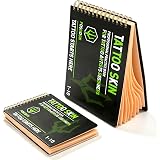
The rationale behind this firm caution is rooted in health and safety standards, where only absolute quality products can mitigate unnecessary risks associated with skin penetration. While perfectly suitable for honing skills on artificial skin, the quality and consistency of these budget inks raise significant concerns regarding pigment retention, potential allergic reactions, and overall safety when applied to human skin. Furthermore, the provided artificial skin proved adequate for absorbing ink during lining, serving its purpose as a decent practice surface for new artists.
Performance Under Scrutiny: Lining, Shading, and Filling with an Entry-Level Machine
The true test of any tattoo machine lies in its performance across various techniques, and this beginner tattoo machine was put through its paces with precision. Starting with outlining, a five round liner needle was employed to establish initial design boundaries. The speaker expressed genuine surprise at the machine’s initial performance, noting its unexpected capability for drawing clean lines.
Despite this positive start, certain limitations quickly became apparent. The machine’s weight distribution, heavily influenced by the protruding battery, felt less optimal compared to professional models where the weight is typically more forward-balanced for enhanced comfort and control. Furthermore, while the voltage could be adjusted from 5 to 11 volts (the speaker typically uses 8 volts), the maximum needle extension was restricted to 3 millimeters, falling short of the preferred 4 millimeters for precise professional work. Although 3 millimeters proved sufficient for basic tasks, the slight vibrations were noticeably stronger, demanding a firmer hand, which could be a factor for extended sessions.
Mastering Tones: Shading and Filling Capabilities
Moving beyond outlines, the machine’s aptitude for shading and filling was evaluated using a seven soft edge magnum needle. The speaker adopted an undershading technique, a method crucial for building depth and smooth transitions, starting with black ink and gradually working from lighter to darker tones. The blend achieved with the black ink was surprisingly effective, indicating the machine’s capacity to handle nuanced tonal work.
For filling, the machine continued to perform normally, evenly depositing color into the artificial skin without notable issues. The consistency of the included red and light blue inks, which were quite thin and fluid, was deemed advantageous by the speaker, as this characteristic often facilitates better ink absorption into the skin. While these qualities are beneficial for practice, the cautionary advice against using these specific inks on real skin remained paramount, reiterating the importance of investing in high-quality, reputable tattoo inks for client safety and optimal results.
The Verdict: Is a Cheap Tattoo Machine Worth It for Beginners?
Ultimately, the evaluation of this cheap tattoo machine unveiled a mixed but largely positive assessment for its intended audience. The machine itself proved capable, allowing for clean work and demonstrating a smooth, even needle run from the module. This performance suggests that, for individuals looking to explore tattooing as a hobby or on artificial skin, the core machine unit offers decent functionality and can indeed produce beautiful designs, as showcased in the video.
However, the journey into tattooing is not merely about the machine’s motor. The speaker highlighted several ergonomic and quality control concerns, such as its heavier weight and suboptimal weight distribution, which could affect comfort during prolonged use. The tactile feel of the needle adjustment, where the battery rotates, also suggested a less refined build quality. Furthermore, a crucial unknown remains its durability; professional machines can last a decade or more, a benchmark unlikely to be met by budget alternatives lacking individually inspected components and robust construction.
Navigating Quality and Safety in Tattooing
The paramount takeaway from this experiment underscores the indispensable role of quality and safety in tattooing, especially when transitioning from practice to real skin. While the machine might suffice for experimentation, the included accessories, particularly the needles and inks, were unequivocally deemed unsuitable for human application. This stern advice stems from an understanding that reputable manufacturers often individually inspect expensive needles, a meticulous process simply not economically feasible for cheap bulk products.
For anyone considering tattooing on real skin, the investment in high-quality, sterile needles and professional-grade inks from trusted suppliers is non-negotiable. It is an ethical and health-related imperative to prioritize client safety above all else, ensuring that every tool and pigment meets stringent industry standards. Therefore, while a first tattoo machine or a budget tattoo kit like this can serve as an excellent entry point for learning and practice, aspiring artists must be prepared to upgrade their consumables significantly before ever considering work on human canvases.
From Novice to Needle: Your Cheap Tattoo Machine Q&A
What is this article about?
This article reviews a very inexpensive tattoo machine kit, testing its ability to perform basic tattooing techniques like lining, shading, and filling for beginners.
What kind of items might come in a budget tattoo kit?
A budget tattoo kit often includes the tattoo machine, needle modules, a battery, various colored inks, and sometimes artificial practice skin. However, essential safety items like good gloves or stencil stuff might be limited or missing.
Are the inks included in a cheap kit safe for human skin?
No, the inks included in cheap tattoo kits are generally not safe for human skin and are only suitable for practicing on artificial skin. For tattooing real skin, you must use high-quality, professional-grade inks that meet safety standards.
Can a cheap tattoo machine perform basic tattooing techniques?
Yes, a cheap tattoo machine can surprisingly perform basic techniques like lining, shading, and filling effectively on artificial skin. It can produce clean work for learning and practice.