The world of body art is captivating. Tattoos have adorned human skin for centuries. They tell stories, express beliefs, and celebrate milestones. Watching a beautiful tattoo come to life is truly mesmerizing. The video above offers a silent glimpse. It shows an artistic journey. It highlights the delicate yet powerful act of creation. This written guide delves deeper. We explore the intricate world of tattoos.
Getting a tattoo is significant. It is a permanent expression. However, the process is often misunderstood. We aim to demystify it here. We will cover choosing designs. We also discuss finding artists. We look at the actual tattooing process. Finally, we cover crucial aftercare.
The Visual Language of Beautiful Tattoos
Every beautiful tattoo tells a tale. Some designs are deeply personal. Others are purely aesthetic. Yet, all contribute to individual expression. The artistry involved is diverse. Styles vary greatly across the globe.
Consider traditional American tattoos. They feature bold lines and bright colors. Think of anchors, roses, and eagles. Japanese irezumi is another example. It uses large, intricate designs. These often depict mythical creatures. Geometric tattoos offer clean patterns. They use precise shapes and symmetry. Realism aims for photographic accuracy. It captures lifelike portraits or scenes.
Blackwork tattoos focus on solid black ink. They create striking silhouettes. Dotwork uses tiny dots. This forms complex images or textures. Watercolor tattoos mimic paint strokes. They have soft edges and vibrant hues. Ultimately, the best tattoo style suits your vision. It reflects your personality. Your choice becomes part of your story.
Designing Your Permanent Artwork
Choosing a design requires thought. It is a collaborative process. Rather than rushing, take your time. Research different tattoo styles. Look for inspiration online. Talk to experienced artists. They offer valuable insights. Consider the placement of your tattoo. Different body parts affect the design. They also influence the healing process. A small wrist tattoo differs greatly from a large back piece.
Many people find meaning in symbols. A specific animal may represent traits. A flower might signify growth. Others simply appreciate aesthetics. They choose designs based on visual appeal. Some clients bring detailed sketches. Others arrive with just an idea. A skilled tattoo artist can translate your vision. They create a custom beautiful tattoo that is uniquely yours.
The Sound of Creation: Understanding the Tattoo Machine
The video features a distinct sound. It is the rhythmic buzz of a tattoo machine. This sound is iconic. It signifies the start of a transformation. The machine is a marvel of engineering. It holds needles. It precisely deposits ink into the skin. Understanding its function is key.
Modern tattoo machines come in two main types. Coil machines use electromagnetic coils. They create a rapid up-and-down motion. This drives the needle. Rotary machines use a motor. They offer a smoother, more consistent action. Both types achieve the same goal. They introduce ink into the dermis layer of the skin.
How the Tattoo Machine Works
The buzzing sound originates from vibration. It is the needles moving at high speed. A needle grouping penetrates the skin. It makes tiny punctures. With each puncture, a small amount of ink is left. This process is precise. It builds the tattoo line by line. Different needle configurations exist. Liners create crisp outlines. Shaders fill in color or create gradients. The artist selects specific needles. They match the requirements of the beautiful tattoo design. This ensures the desired effect is achieved.
Beyond the Buzz: The Tattoo Process Unveiled
The tattoo process is a journey. It begins long before the needle touches skin. Good preparation ensures a smoother experience. The artist meticulously prepares. They sanitize their workspace. They also sterilize their equipment. This prevents infections. Client safety is paramount.
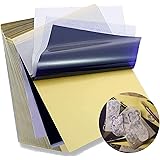
First, the skin is cleaned. It must be free of oils and dirt. Then, the stencil is applied. This is a temporary outline. It guides the artist’s hand. The stencil serves as a blueprint. It ensures accurate placement. The client approves the stencil. Only then does the actual tattooing begin. This careful preparation is essential. It guarantees a high-quality, beautiful tattoo.
The artist works methodically. They begin with outlines. These define the shape. Then, they move to shading. This adds depth and dimension. Finally, colors are filled in. This brings the design to life. The duration varies greatly. It depends on size and complexity. Smaller tattoos take minutes. Larger pieces require multiple sessions. Each session adds to the overall artwork.
Choosing Your Canvas: Finding the Perfect Tattoo Design
Your skin is a canvas. It deserves thoughtful consideration. The design you choose is permanent. It should resonate with you. Many resources exist for inspiration. Online galleries showcase countless designs. Tattoo magazines highlight trending styles. However, avoid simply copying others. Seek originality in your beautiful tattoo. Personalize it where possible.
Think about longevity. Some designs age better than others. Highly intricate, small details can blur over time. Bold lines and clear compositions often endure. Discuss this with your artist. They have expertise in skin dynamics. They can advise on design viability. Moreover, consider future tattoos. Will this piece complement others? Or will it stand alone?
Customizing Your Vision
A custom tattoo is unique. It reflects your personal story. Collaborate with your chosen artist. Share your ideas and references. They can sketch concepts. They will refine details. This ensures the final design is perfect. It fits your body shape. It aligns with your aesthetic. This collaborative effort transforms a simple idea. It becomes a stunning, personalized beautiful tattoo.
Entrusting Your Skin: Selecting a Tattoo Artist
Finding the right artist is crucial. It is as important as the design itself. Each artist has a unique style. Their portfolio showcases their skill. Look for an artist specializing in your desired style. Do they excel at realism? Are they masters of traditional work? Their expertise will shine through.
Visit several tattoo studios. Observe their cleanliness. Ensure they follow strict hygiene protocols. Sterilization is non-negotiable. Look for proper licensing. A reputable studio prioritizes safety. They use single-use needles. They also wear fresh gloves. These practices protect both artist and client. A safe environment is paramount for any tattoo.
Consultation and Connection
Schedule a consultation. This is your chance to meet the artist. Discuss your tattoo idea. Ask about their process. Evaluate their communication style. Do you feel comfortable with them? Trust is essential. You are entrusting them with your skin. A good artist listens intently. They offer professional advice. They also manage expectations. This ensures a positive experience. It leads to a beautiful tattoo you will love.
Caring for Your Art: Essential Tattoo Aftercare
Getting the tattoo is only half the battle. Proper aftercare is vital. It ensures optimal healing. It also preserves the tattoo’s vibrancy. Neglecting aftercare can cause issues. These include infection or fading. Your artist will provide specific instructions. Follow them meticulously. This is critical for your new beautiful tattoo.
Generally, keep the tattoo clean. Wash it gently with mild soap. Pat it dry with a clean paper towel. Avoid rubbing. Apply a thin layer of recommended ointment. Do this several times daily. Do not over-moisturize. This can suffocate the skin. Avoid direct sunlight. UV rays can fade new ink. Stay out of swimming pools and hot tubs. They contain bacteria. They also have harsh chemicals.
Healing takes time. It can range from two to four weeks. Larger tattoos might take longer. Resist picking or scratching. Scabbing is a natural part of healing. Let it fall off naturally. Stay hydrated. Eat well. This supports your body’s healing process. A well-cared-for tattoo remains vibrant. It continues to be a beautiful tattoo for years to come. Your commitment to aftercare truly pays off.
Inking the Future: Your 2025 Tattoo Video Q&A
What is a tattoo?
A tattoo is a permanent form of body art where ink is deposited into the skin to create designs, express beliefs, or commemorate events. It is a captivating visual language that adorns human skin.
What are some common styles of tattoos?
Tattoo styles vary widely, including traditional American with bold lines, intricate Japanese irezumi, precise geometric designs, realistic portraits, and soft-edged watercolor tattoos. Each style contributes to individual expression.
How does a tattoo machine put ink into the skin?
A tattoo machine uses a needle grouping that moves at high speed, making tiny punctures in the skin. With each puncture, a small amount of ink is precisely deposited into the dermis layer, building the tattoo line by line.
What are the main steps when getting a tattoo?
The process starts with cleaning the skin and applying a temporary stencil as a guide. Then, the artist uses the machine to create outlines, shading, and fill in colors, followed by crucial aftercare instructions.
Why is tattoo aftercare important?
Proper aftercare is vital for optimal healing and to preserve your tattoo’s vibrancy and clarity. Neglecting these instructions can lead to issues like infection or fading over time.