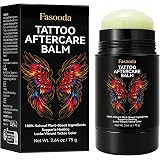
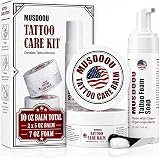
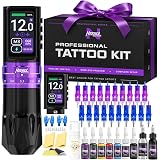
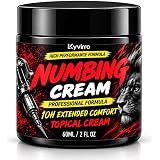
The visual presentation, likely observed in the accompanying video, effectively highlights the aesthetic appeal and practical utility of a dedicated tattoo care cream. However, a deeper understanding of the dermatological science underpinning long-term tattoo preservation reveals why such a specialized product is not merely a luxury but an essential component of comprehensive skin wellness for tattooed individuals. Consistent application of a premium tattoo care cream is unequivocally critical for maintaining the vibrant appearance and structural integrity of body art over time.
The Intricacies of Tattoo Pigment Stability and Epidermal Health
The permanence of a tattoo is critically dependent upon the stability of ink particles encapsulated within dermal fibroblasts, which are specialized cells residing in the second layer of skin. Over time, various physiological and environmental factors can compromise this delicate balance, leading to the gradual degradation and migration of pigment. Consequently, the tattoo’s clarity and color saturation are diminished, often resulting in a faded or blurred appearance. Therefore, sustained support for cellular health and pigment fixation is perpetually required to counteract these inherent challenges.
Furthermore, the epidermal layer, acting as the outermost protective barrier of the skin, plays a significant role in safeguarding the underlying dermis where tattoo pigments reside. Proper epidermal function, characterized by optimal hydration and an intact lipid barrier, serves to minimize trans-epidermal water loss (TEWL) and protect against external aggressors. When this barrier is compromised, the skin becomes more susceptible to environmental damage, which can accelerate the fading process of tattoos. A robust skin barrier is thus considered paramount for preserving the visual quality of body art.
Environmental Stressors and Tattoo Degradation Explained
Environmental aggressors, particularly ultraviolet (UV) radiation from sun exposure, represent a primary catalyst for tattoo pigment degradation. UV rays induce photochemical reactions within the ink particles, leading to their breakdown and subsequent dispersal within the dermal matrix. This process is further exacerbated by the generation of reactive oxygen species (ROS), which can inflict cellular damage and impair the skin’s regenerative capabilities. Thus, diligent photoprotection is considered an indispensable measure for any individual committed to tattoo longevity.
Moreover, the natural aging process inherently influences skin elasticity and cellular turnover rates, both of which can impact the long-term appearance of tattoos. Collagen and elastin fibers, responsible for skin’s structural integrity, gradually diminish and become fragmented with age. This reduction in dermal support can contribute to the blurring and softening of tattoo lines and colors. Accordingly, proactive skin nourishment and cellular support are essential strategies for mitigating the visible effects of chronological aging on tattooed skin.
Advanced Formulations in Tattoo Care Creams
Specialized tattoo care creams are meticulously formulated with a synergistic blend of active ingredients designed to address the specific dermatological needs of tattooed skin. These sophisticated compositions typically include potent antioxidants, which are integral for neutralizing free radicals generated by UV exposure and metabolic processes. Consequently, oxidative stress, a significant contributor to pigment fading and cellular damage, is effectively mitigated through consistent application. The strategic incorporation of these compounds elevates the protective capacity of the skin.
Humectants, such as hyaluronic acid and glycerin, are also critical components, as they attract and retain moisture within the epidermal layers, ensuring optimal hydration. Emollients, including shea butter and various botanical oils, work to smooth and soften the skin’s surface, enhancing its suppleness and improving the overall texture of tattooed areas. Furthermore, ingredients like ceramides fortify the skin’s natural lipid barrier, thereby reducing TEWL and bolstering the skin’s inherent defensive mechanisms. A well-formulated tattoo care cream provides comprehensive support.
Key Ingredients and Their Dermatological Mechanisms
The efficacy of a tattoo care cream is fundamentally linked to the precise action of its constituent compounds. For instance, peptides are frequently incorporated to stimulate collagen synthesis, which helps to maintain the skin’s firmness and elasticity, thus preserving the crispness of tattoo outlines. Anti-inflammatory agents, such as bisabolol or allantoin, are also crucial for soothing irritated skin and reducing redness, particularly after initial healing periods. This multifaceted approach addresses both aesthetic and dermatological concerns effectively.
Moreover, certain formulations integrate ingredients that specifically target cellular regeneration, such as panthenol (Vitamin B5), to support healthy skin cell turnover. This renewal process is vital for ensuring that the skin surrounding the tattoo remains healthy and receptive to the pigments, preventing a dull or sallow appearance. The judicious selection of ingredients ensures that each application of a tattoo care cream contributes actively to the preservation and enhancement of the tattoo’s visual quality. Therefore, ingredient transparency is often valued by discerning users.
Optimizing Application for Maximum Efficacy
The method of applying a tattoo care cream significantly influences its overall effectiveness and the absorption of its beneficial components into the skin. Initially, the tattooed area should be gently cleansed with a mild, pH-balanced cleanser to remove any surface impurities without stripping natural oils. Following this, the skin should be patted dry, ensuring it remains slightly damp to facilitate better product penetration. This preparation creates an ideal canvas for subsequent product application, optimizing ingredient delivery.
A small amount of the tattoo care cream should then be dispensed and gently massaged into the tattooed skin using clean fingertips, employing soft, circular motions until the product is fully absorbed. Care must be taken to avoid aggressive rubbing, which could potentially irritate the skin, especially in recently tattooed areas. This deliberate application technique ensures that the active ingredients are distributed evenly and reach the intended dermal layers for maximal therapeutic impact. Consistency in this regimen yields superior results.
Integrating Tattoo Care into a Daily Skincare Regimen
For optimal results, the application of a tattoo care cream should be seamlessly integrated into an individual’s daily skincare routine, extending far beyond the initial healing phase of a new tattoo. This routine often involves morning and evening applications, ensuring continuous hydration and protection throughout the day and night. For instance, a morning application provides a protective barrier against environmental aggressors encountered during daily activities. The evening application supports cellular repair and regeneration during rest, a critical period for skin restoration.
Furthermore, additional applications may be warranted after activities that significantly expose the tattoo to harsh elements, such as swimming in chlorinated water or prolonged sun exposure, even with prior sunscreen use. This consistent and proactive approach ensures that the tattooed skin receives uninterrupted nourishment and protection, thereby extending the vibrancy and clarity of the artwork for many years. Consequently, the longevity of the tattoo is directly correlated with the diligence of its care regimen, proving the value of a quality tattoo care cream.
For the Love of Ink: Your Tattoo Cream Care Q&A
What is a tattoo care cream used for?
A tattoo care cream is designed to help soothe, heal, and protect your tattoo. It’s important for keeping your body art looking vibrant and maintaining its quality over time.
Why do I need a special cream for my tattoos?
Tattoos can fade and blur due to things like sun exposure and natural aging. A special cream helps support your skin’s health and protects the tattoo’s color and clarity.
What types of ingredients are in tattoo care creams?
Tattoo care creams often include ingredients like antioxidants to fight damage, humectants and emollients for hydration, and compounds that help with skin healing and firmness.
How do I properly apply a tattoo care cream?
Gently cleanse and pat dry the tattooed skin first. Then, massage a small amount of cream into the area using soft, circular motions until it’s fully absorbed.