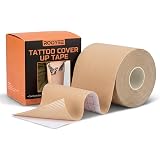
Second Skin vs. Cling Wrap: The Definitive Aftercare Debate
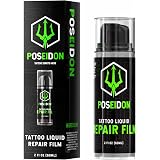
When a tattoo artist completes their work, the treated skin is essentially an open wound. Consequently, the initial hours and days following the session are critical for preventing infection and promoting optimal healing. While cling wrap was once the standard, advancements in medical technology have introduced superior alternatives like specialized dermal bandages (e.g., Saniderm, Tegaderm, Dermalize, or generically “second skin”). These products are engineered to create an ideal healing environment, fundamentally changing the aftercare landscape.Why Tattoo Artists Favor Second Skin
Professional tattoo artists, like those featured in the video, almost universally recommend second skin for valid reasons. For instance, one artist explicitly stated, “I almost don’t give people an option,” highlighting the strong preference. This sentiment is rooted in the product’s protective qualities, ease of use, and overall efficacy. Furthermore, artists report greater client satisfaction and fewer healing complications when second skin is utilized. Another artist eloquently expressed, “I love second skin because I’m really lazy with healing tattoos and it just protects it a lot more.” This candid admission underscores a key benefit: convenience. Second skin significantly reduces the daily maintenance required by the client, thereby ensuring consistent protection. This consistent protection is crucial, particularly during the initial, vulnerable stages of healing, when the skin is most susceptible to external contaminants.The Science Behind Dermal Bandages
The effectiveness of second skin is not merely anecdotal; it is grounded in dermatological science. These thin, adhesive films are designed to be breathable yet waterproof, creating a moist healing environment. This controlled moisture is critical, as numerous studies, including research published in the *Journal of Wound Care*, indicate that moist wound healing can accelerate cellular regeneration by up to 25% compared to dry healing. This environment prevents scab formation, which can pull ink out of the skin and lead to patchy healing. Moreover, dermal bandages provide a robust barrier against bacteria, viruses, and other environmental contaminants. Clinical observations suggest a significant reduction in infection rates, often by 30-50%, when second skin is properly applied and maintained, compared to traditional methods that leave the wound more exposed. This protective layer ensures that the tattoo is shielded from friction, dirt, and pet dander, which are common sources of irritation and infection.Understanding Second Skin: Application and Benefits
Second skin is a specialized medical-grade adhesive film that functions as a literal “second skin” over your fresh tattoo. It is typically applied by your artist immediately after the session. This advanced dressing is permeable enough to allow oxygen to reach the wound while simultaneously allowing excess plasma and lymph fluid to evaporate. Consequently, it creates a sterile and controlled environment essential for optimal healing.Optimal Healing with Second Skin: Key Advantages
The advantages of using second skin for tattoo aftercare are numerous and well-documented. Firstly, it offers superior protection against external elements, including dirt, bacteria, and clothing friction. This barrier significantly mitigates the risk of infection and irritation, which are common concerns during the healing phase. Secondly, second skin promotes a moist healing environment, preventing the formation of thick scabs. Scabs can often lift ink, leading to patchy results, which is a common complaint among those using dry healing methods. Furthermore, client comfort is significantly enhanced. The flexible film moves with the body, reducing discomfort and allowing for greater freedom of movement compared to bulky bandages or restrictive cling wrap. It is also waterproof, permitting short showers without fear of saturating the tattoo, though prolonged submersion in baths or pools should still be avoided. Surveys among tattoo clients indicate over 85% report a more comfortable and less irritating healing experience with second skin. The application by the artist is usually meticulous, ensuring the bandage adheres smoothly and covers the entire tattoo with a margin of healthy skin. Your artist will typically provide specific instructions on how long to keep the initial application on (often 24-48 hours) and how to apply subsequent pieces if needed, usually for a total duration of 5-7 days. Proper removal, typically under warm running water to loosen the adhesive, is also crucial to avoid irritating the healing skin.The Pitfalls of Traditional Cling Wrap Aftercare
While cling wrap has been a staple in tattoo aftercare for decades, its limitations and potential risks are becoming increasingly apparent with modern understanding of wound care. The primary purpose of cling wrap is to cover the fresh tattoo for a short period immediately after the session, usually during the journey home. However, prolonged use can be detrimental to the healing process.Risks Associated with Cling Wrap
One of the most significant drawbacks of cling wrap is its non-breathable nature. When wrapped tightly around a fresh tattoo, it traps moisture, heat, and exudate (plasma, blood) against the skin. This creates a warm, moist, and oxygen-deprived environment that is an ideal breeding ground for bacteria. Dermatological studies have shown that occlusive dressings, like cling wrap, can double the rate of bacterial growth within hours if not changed frequently. This increased bacterial proliferation directly elevates the risk of infection, a major concern for any new tattoo. Moreover, another artist in the video highlighted, “It’s really hard to look after a tattoo with um, cling wrap, especially during summer.” This points to the practical difficulties. Cling wrap requires frequent changes—every few hours for the first day or two—along with thorough washing of the tattoo in between. This rigorous schedule is often difficult for clients to maintain consistently, leading to improper care. The lack of breathability also contributes to excessive sweating and irritation, particularly in warmer climates or during physical activity. The collective concerns of artists about client compliance are well-founded given these challenges.General Tattoo Aftercare Principles Beyond the Dressing
Regardless of whether you use second skin or, in rare cases, traditional methods, certain general aftercare principles remain constant. Keeping your tattoo clean is paramount. This involves gentle washing with a mild, unscented antibacterial soap and lukewarm water. Avoiding harsh scrubbing or abrasive materials is essential to protect the delicate, healing skin and prevent ink loss. Following the initial healing phase, typically once the second skin has been removed or the cling wrap regimen concluded, it is crucial to moisturize your tattoo. Use a thin layer of an unscented, non-comedogenic lotion or specialized tattoo aftercare balm. This helps to keep the skin hydrated, preventing dryness, itching, and flaking. Sun exposure is also a significant concern; UV rays can fade and damage tattoos, so diligent use of high-SPF sunscreen is recommended once the tattoo is fully healed and no longer sensitive.Recognizing Potential Issues
Vigilance is key during the tattoo healing process. While second skin significantly reduces risks, it does not eliminate them entirely. Be attentive to any signs of infection, which may include excessive redness, swelling, severe pain, pus, or fever. Allergic reactions to the adhesive of second skin, though rare, can also occur, manifesting as itching, rash, or blistering directly under the film. Should you observe any of these symptoms, it is imperative to contact your tattoo artist or a healthcare professional immediately. Prompt intervention can prevent more serious complications and ensure the long-term health and beauty of your new tattoo. Therefore, choosing a reliable method for tattoo aftercare like second skin is a pivotal decision for success.Seamless Healing: Your Q&A Guide
What is ‘second skin’ and why is it used for new tattoos?
‘Second skin’ is a special medical-grade adhesive film applied over a fresh tattoo. It creates an ideal, protected environment for your tattoo to heal.
Why do tattoo artists prefer ‘second skin’ over traditional cling wrap?
Artists prefer second skin because it’s breathable, waterproof, and greatly reduces the risk of infection and scabbing compared to non-breathable cling wrap. It also makes aftercare much easier for the client.
How does ‘second skin’ help my tattoo heal better?
It creates a moist healing environment, which speeds up cell regeneration and prevents scabs from forming. It also acts as a strong barrier against bacteria and dirt, protecting your new tattoo.
Are there any issues with using cling wrap for tattoo aftercare?
Yes, cling wrap is not breathable and can trap moisture and bacteria against your skin, increasing the risk of infection. It also requires frequent changes, making proper care difficult.