Navigating New Tattoo Aftercare: Your Crucial First 24 Hours
Have you ever wondered why the initial moments after getting a new tattoo are so critically important for its long-term appearance and your health? The video above expertly guides us through the essential steps, emphasizing that the first 24 hours of tattoo aftercare lay the foundational groundwork for a beautiful, vibrant piece of art. This delicate period is not merely about following instructions; it is about actively safeguarding an open wound and initiating a robust healing process. Neglecting proper care during this time can significantly compromise the final aesthetic and even lead to health complications.Your skin, which is the body’s largest organ, undergoes substantial trauma during the tattooing process. The needles penetrate the epidermis and deposit ink into the dermis, effectively creating thousands of microscopic punctures. This transforms your fresh tattoo into a vulnerable open wound, highly susceptible to external contaminants and potential infections. Studies indicate that a significant percentage of tattoo-related infections occur in the initial days following the procedure, underscoring the necessity of meticulous care. Therefore, understanding and implementing stringent aftercare from the moment you leave the artist’s chair is paramount for successful healing and vibrant results.
The Critical Window: Why the First 24 Hours Matter
The speaker in the video highlights that while a tattoo takes approximately two weeks to fully heal, the first 24 hours are akin to “half of the healing process” in terms of importance. This crucial timeframe sets the stage for how effectively your body recovers and integrates the ink. During these initial hours, your immune system springs into action, beginning the complex regeneration process. A well-protected and clean environment allows your skin to start forming a new protective barrier, minimizing the risk of adverse reactions.
This period is not just about avoiding infection; it’s also about preventing unnecessary irritation and trauma. The fresh tattoo is highly sensitive, and any rough handling or exposure can lead to prolonged healing times, excessive scabbing, and even ink fallout. Protecting your new tattoo diligently during this early stage ensures the pigment settles correctly and the intricate details of the design are preserved. It also significantly reduces the likelihood of developing scar tissue, which can distort the tattoo’s appearance over time.
Initial Protection: Tattoo Film vs. Traditional Cling Film
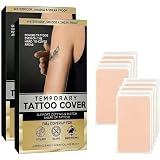
When you leave your tattoo artist, your new ink will typically be covered with one of two primary types of protective barriers. Firstly, modern tattoo films, often referred to by brand names like Saniderm or Tegaderm, are specialized breathable adhesives designed for extended wear. These films create a moist healing environment, allowing the skin to breathe while simultaneously protecting against bacteria and friction. If your artist applies this type of film, the recommendation is often to keep it on for the full 24 hours, as specified in the video, or even longer depending on the artist’s advice and the specific product.
Secondly, if your artist adheres to a more “old school” method, your tattoo might be covered with traditional cling film. This barrier is primarily for short-term protection, typically recommended for only a few hours. Unlike specialized tattoo films, cling film does not allow the skin to breathe effectively and can create an overly moist environment if left on for too long, potentially fostering bacterial growth. Its purpose is to shield the fresh wound from immediate environmental contaminants as you travel home, after which it should be removed promptly for proper washing.
The Gentle Art of Washing Your New Tattoo
Once the initial cling film is removed, or after the 24-hour period for specialized tattoo film has passed, the first wash is paramount. It is crucial to approach this process with utmost care, as the tattoo is still extremely delicate. The video rightly stresses the importance of using a soap specifically formulated for tattoos or a very mild, unscented soap. Avoid any products containing alcohol, perfumes, or harsh chemicals, as these ingredients can irritate the sensitive skin, strip away natural oils, and even cause the ink to fade prematurely. Look for antibacterial, pH-balanced options to ensure optimal cleanliness without causing further trauma.
Regarding water temperature, lukewarm water is the optimal choice for washing your new tattoo. Water that is too hot can unnecessarily open pores and potentially draw ink out, while water that is too cold might constrict blood vessels and hinder the cleaning process. Apply the mild soap using clean hands, gently lathering it over the tattooed area. Avoid any scrubbing, scratching, or abrasive motions, treating the tattoo as the open wound it is. The goal is to remove any excess ink, plasma, and potential bacteria without causing further irritation or damage to the delicate skin cells.
Drying and Protecting Your Tattoo Overnight
After washing, the drying process is just as critical. Pat your tattoo dry with a clean, soft towel or, ideally, with a fresh paper towel. The video specifically cautions against using toilet paper, which can disintegrate and leave tiny fibers embedded in the healing skin, potentially leading to irritation or infection. The goal is to absorb moisture gently without any rubbing or friction, ensuring the skin is completely dry before proceeding to the next step.
For overnight protection, especially during the first few nights, the video suggests reapplying cling film. While cling film itself does not offer therapeutic benefits for healing, it serves a vital protective function. It creates a physical barrier against bacteria, pet dander, lint from bedding, and other airborne particles that could contaminate your tattoo while you sleep. This measure is particularly important as you might unknowingly brush against bedding or other surfaces, which could introduce pathogens to the vulnerable area. Removing the cling film in the morning allows you to repeat the washing and moisturizing routine.
The Power of Moisturizing: Balms, Butters, and Thin Layers
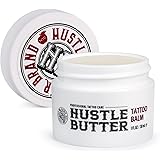
Following the cleaning process, applying a specialized tattoo ointment, balm, or butter is an indispensable step in new tattoo aftercare. These products are formulated to promote skin regeneration, reduce inflammation, and keep the skin adequately hydrated, preventing excessive dryness and cracking that can damage the tattoo. Look for ingredients known for their healing properties, such as panthenol, shea butter, vitamin E, or specific antibacterial agents. Many professional tattoo aftercare brands offer products specifically designed for this purpose, supporting the skin’s natural healing capabilities.
It is crucial to apply only a thin, even layer of the moisturizing product. Over-applying balm can suffocate the skin, preventing it from breathing and potentially trapping moisture, which creates a breeding ground for bacteria. The aim is to provide just enough hydration to keep the skin supple without leaving a thick, greasy residue. Always ensure your hands are thoroughly clean before applying any product to your tattoo, minimizing the risk of transferring bacteria from your hands to the healing wound. This consistent application, recommended three to four times a day depending on your activity level and exposure, ensures continuous protection and promotes optimal healing.
Got Fresh Ink Questions? Sorry Mom Has Answers
Why are the first 24 hours after getting a tattoo so important?
The first 24 hours are crucial because your new tattoo is an open wound, making it highly susceptible to infection and irritation. Proper care during this time lays the foundation for good healing and a vibrant, long-lasting tattoo.
What kind of covering will my tattoo artist use, and how long should it stay on?
Your artist will typically use either a specialized breathable tattoo film (like Saniderm) or traditional cling film. Specialized film can often stay on for 24 hours or longer, while cling film should be removed after a few hours to allow for washing.
How should I wash my new tattoo for the first time?
Gently wash your new tattoo with clean hands, using lukewarm water and a mild, unscented, antibacterial soap. Avoid scrubbing, scratching, or using hot water, as these can irritate the delicate skin.
How should I dry my new tattoo, and what should I put on it afterwards?
After washing, pat your tattoo dry with a clean, soft towel or paper towel, avoiding toilet paper. Once dry, apply a very thin, even layer of specialized tattoo ointment or balm to keep it moisturized.
Should I cover my new tattoo again overnight during the first few nights?
If you are not using a specialized breathable tattoo film, it is suggested to reapply traditional cling film overnight. This creates a protective barrier against bacteria and debris from bedding while you sleep.