Mastering Your Tattoo Aftercare: Essential Do’s and Don’ts for a Flawless Heal
Imagine the excitement: you’ve just left the studio, the proud owner of a vibrant new piece of art etched onto your skin. The design is perfect, the lines are sharp, and the colors pop. But then, a flicker of doubt creeps in. How do you keep it looking this good? What’s the secret to a smooth, healthy tattoo healing process? Many people find themselves in this exact scenario, realizing that the journey isn’t over once the needle stops buzzing. As Daniel Paarup from Ironing Tattoo thoughtfully explains in the video above, proper tattoo aftercare is absolutely paramount for preserving your investment and ensuring your tattoo heals beautifully.
A fresh tattoo is essentially an open wound, and its long-term appearance heavily relies on the care it receives during the initial healing phase. Neglecting your new tattoo care can lead to a host of problems, from infections and scarring to significant fading. It’s not just about avoiding complications; it’s about nurturing your skin to allow the ink to settle perfectly. Therefore, understanding the critical do’s and don’ts of tattoo aftercare is a fundamental step for every tattoo enthusiast, ensuring your artwork remains a source of pride for years to come.
Protecting Your Investment: Key Tattoo Aftercare Don’ts
When a new tattoo has been acquired, there are several activities and exposures that must be avoided to ensure optimal healing and prevent damage. These precautions are often emphasized by experienced tattoo artists, highlighting their importance in the overall tattoo healing process. A careful approach during this delicate period significantly reduces the risk of complications and preserves the artistry of your new ink.
Sun Exposure: The Silent Enemy of New Tattoos
Direct sunlight, as Daniel rightly points out, acts much like a slow tattoo laser removal. The sun’s ultraviolet (UV) rays, specifically UVA and UVB, penetrate the skin and begin to break down the pigment particles. This process, known as photodegradation, can cause your vibrant new tattoo to fade prematurely, dulling its crispness and color intensity. Studies have consistently shown that prolonged exposure without protection contributes significantly to accelerated fading and can even alter the chemical composition of certain ink pigments. Therefore, avoiding direct sunlight, especially during peak hours, is one of the most crucial steps in tattoo aftercare for tattoo longevity.
Heavy Exercise: Sweat, Friction, and Infection Risks
Immediately following a tattoo session, strenuous physical activity should be strictly avoided. Heavy sweating introduces moisture and salt into the healing wound, creating a prime environment for bacterial growth and potential infection. Moreover, the stretching and friction from intense exercise can irritate the sensitive tattooed skin, potentially disrupting the formation of scabs or even pulling them off prematurely. While light exercise might be permissible if cleared by your artist, it is generally recommended that the tattooed area be given ample rest to facilitate uninterrupted healing. Data from dermatological clinics often indicates a higher incidence of tattoo infection among individuals who engage in intense workouts too soon after getting inked.
The Itch Factor: Resisting the Urge to Scratch
As your tattoo heals, itching is an almost inevitable part of the process; it indicates that your skin cells are regenerating and the wound is closing. However, scratching an itchy tattoo can have severe consequences, as Daniel mentions, dramatically increasing the likelihood of developing scar tissue. When you scratch, you risk tearing off scabs, damaging the underlying healing skin, and introducing bacteria from your fingernails into the open wound. This can lead to infection, uneven ink distribution, and permanent textural damage. Gently patting the area or applying a thin layer of recommended moisturizer is usually advised to alleviate the discomfort without causing harm.
Shaving Over a Fresh Tattoo: A Recipe for Disaster
Shaving over a newly tattooed area is a significant risk that must be avoided until the tattoo is fully healed. The razor blade can easily nick or cut the delicate skin, introducing bacteria and potentially causing an infection. Furthermore, shaving can remove forming scabs, disrupt the healing process, and lead to uneven ink retention or scarring. For those who frequently shave, planning your tattoo placement or timing around your shaving routine is often a necessary consideration. It is a common understanding among tattoo professionals that this seemingly innocuous act can jeopardize the entire healing outcome.
Water Immersion: Pools, Oceans, and Pathogen Peril
Submerging a fresh tattoo in water, whether in a swimming pool, hot tub, or natural body of water like the ocean or a lake, is strongly discouraged. These environments are teeming with bacteria and other microorganisms that can easily enter the open wound of a new tattoo, leading to severe infections. Even chlorinated pools, while treated, may still harbor resistant bacteria, and the chemicals themselves can be irritating to healing skin, potentially causing dryness or inflammation. Data from public health organizations consistently warns against exposing open wounds to communal or natural waters due to the high risk of waterborne pathogens. Until the tattoo is completely sealed and healed, showering is the only safe way to clean the area, with care taken not to let water directly blast the tattoo.
The Positive Path: Essential Tattoo Aftercare Do’s
While avoiding certain activities is crucial, proactively adopting beneficial practices is equally important for a healthy healing tattoo. These positive steps support your body’s natural recovery mechanisms and actively work to preserve the integrity and vibrancy of your new artwork. Following these guidelines, which are often echoed across the professional tattooing community, ensures that your tattoo receives the best possible start in its long life on your skin.
Listen to Your Artist: The Ultimate Authority
Every tattoo artist has specific aftercare instructions, and following these diligently is paramount. Daniel rightly emphasizes this, as artists’ recommendations are often tailored to their particular tattooing style, the type of ink used, and the specific aftercare products they trust. While general guidelines exist, an artist’s personal experience and understanding of their own work make their advice invaluable. Deviating from these instructions without proper understanding can lead to suboptimal healing, highlighting that the artist’s guidance is derived from extensive practical knowledge and often from direct observation of healing results.
Washing Your Tattoo: Gentle Care with the Right Products
When cleaning your new tattoo, gentleness is key. Washing should always be done with clean hands, not abrasive cloths or sponges, to avoid any undue friction or damage to the delicate skin. It is recommended that a mild, unscented, antibacterial soap or a specialized tattoo wash be used. Soaps containing perfumes, dyes, alcohol, or harsh chemicals can irritate the healing skin, cause dryness, and potentially lead to an allergic reaction or compromise the ink. Research in dermatology shows that maintaining a balanced pH and minimizing exposure to irritants are critical for wound healing, reinforcing the need for specific, gentle cleansing agents for skin irritation prevention.
Selecting the Right Wraps: Breathability is Key
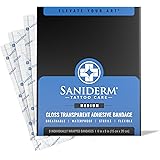
If your artist recommends keeping your tattoo wrapped for an extended period, the type of wrap used is incredibly important. Breathable film dressings, such as those made from medical-grade polyurethane, are often preferred over standard plastic wrap. These specialized films create a protective barrier against bacteria while still allowing the skin to breathe and release moisture, which is vital for healing. Improper wrapping or using non-breathable materials can trap sweat and bacteria, leading to a higher risk of infection and maceration of the skin. This distinction underscores the importance of proper product selection in advanced tattoo aftercare.
Moisturizing Properly: Nurturing Your Skin Barrier
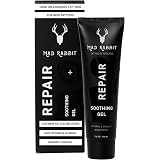
Regular and appropriate moisturizing is a cornerstone of effective tattoo aftercare, playing a significant role in promoting healthy healing and maintaining the tattoo’s appearance. As Daniel metaphorically describes, keeping your skin healthy is like keeping a window clean to see your tattoo clearly. A quality, unscented moisturizer helps keep the skin hydrated and supple, preventing excessive dryness, cracking, and flaking, which could compromise the ink. It also helps alleviate itching and supports the skin’s natural barrier function. However, over-moisturizing should be avoided, as it can suffocate the skin and create a damp environment conducive to bacterial growth. A thin, even layer applied a few times a day is typically sufficient, a practice supported by consistent dermatological recommendations for optimal skin health.
By diligently adhering to these comprehensive tattoo aftercare guidelines, you are actively participating in the longevity and beauty of your new tattoo. The dedication shown during this critical tattoo healing process directly correlates with the final outcome, ensuring your artwork remains vibrant and sharp, free from scar tissue and premature fading tattoos.
Still Got Ink-quiries? Your Tattoo Aftercare Q&A
What is tattoo aftercare?
Tattoo aftercare is the process of caring for your new tattoo after you’ve gotten it. It’s essential for helping your tattoo heal properly and keeping it looking vibrant and sharp.
Why is proper tattoo aftercare important?
Proper aftercare is vital to prevent complications like infections, scarring, and premature fading. It ensures your tattoo heals beautifully and maintains its original design and color.
What should I avoid doing with a new tattoo?
You should avoid direct sun exposure, strenuous exercise, scratching the itchy area, shaving over it, and submerging it in water like pools, hot tubs, or natural bodies of water.
How should I clean and moisturize my new tattoo?
Gently wash your tattoo with clean hands and a mild, unscented antibacterial soap. After washing, apply a thin, even layer of unscented moisturizer to keep the skin hydrated and prevent dryness.