Understanding Nighttime Tattoo Aftercare: Practical Tips for a Smooth Healing Process
You’ve invested in a beautiful new tattoo, and now it’s time for the crucial healing phase. While much attention is often given to daytime care, understanding sleeping with a new tattoo and proper nighttime aftercare is equally vital. As “The Professor” highlights in the video above, there’s a lot of advice out there, often conflicting, which can leave first-timers feeling overwhelmed. This guide will delve deeper into the science behind nighttime healing and offer practical strategies to protect your fresh ink while you sleep.
Decoding Common Myths and Misconceptions About Tattoo Aftercare
The moment you leave the studio, you’re likely bombarded with instructions – some from your artist, others from well-meaning friends. Common refrains include “sleep on your stomach/back” or “slather on extra ointment.” Yet, once you’re asleep, controlling your body’s movements is largely impossible. Despite these well-intentioned suggestions, many of them stem from a lack of understanding about the skin’s natural healing process.
One prevalent myth is that “wounds need air to heal.” While some exposure can be beneficial in later stages, a fresh tattoo is an open wound that benefits from a controlled, moist environment. Excessive air exposure can lead to drying out, scabbing, and potentially compromise the ink’s vibrancy. Similarly, while ointment is key, applying an overly thick layer can suffocate the skin, preventing it from breathing and leading to clogged pores or delayed healing. The goal is a thin, protective barrier, not a suffocating mask.
The Science of Nighttime Skin Repair: Why Sleep Matters for Your New Tattoo
Your body is incredibly efficient, and sleep is its prime time for repair. This is especially true for your skin, making effective nighttime tattoo aftercare more important than ever. Several biological processes kick into high gear as you drift off:
-
The Circadian Rhythm and Cellular Renewal
Your body operates on an internal clock known as the circadian rhythm. This rhythm dictates various biological processes, including cell division and renewal, which peak around midnight, regardless of whether you’re awake or asleep. During this period, skin cells work overtime to repair damage, regenerate tissue, and bolster your immune system. For a new tattoo, this means accelerated healing of the skin barrier that has been compromised by the tattooing process.
-
Hydration: Fueling Your Skin’s Recovery
Even though your body is in repair mode, your skin can become less moisturized at night due to decreased oil production. This is compounded by a phenomenon called transepidermal water loss (TEWL), where moisture evaporates from the skin’s surface. As “The Professor” mentioned, you can lose approximately 300 to 400 ml of water daily through TEWL, primarily from your palms and soles, but also across other skin surfaces. Staying well-hydrated throughout the day, and particularly before bed, is crucial to counteract this loss and support healthy skin regeneration. Ointments and lotions act as occlusives, creating a barrier that significantly reduces TEWL, helping your fresh tattoo stay adequately moisturized.
-
Skin pH and Optimal Healing Environment
Interestingly, your skin’s temperature rises slightly and its pH lowers (becomes more acidic) during sleep. A 2015 meta-study highlighted in the video confirmed that slightly acidic environments actively promote wound healing. This acidic mantle helps inhibit the growth of harmful bacteria and activates enzymes essential for skin regeneration. This natural shift during sleep actually creates an optimal physiological environment for your new tattoo to mend.
-
Timing Your Session: A Minor Detail with Potential Impact
The video also noted that wounds sustained during daylight hours tend to heal faster than those acquired at night. While this shouldn’t dictate your tattoo appointment, if scheduling permits, an earlier afternoon session might align slightly better with your body’s natural healing rhythms, giving your skin a bit of a head start before nighttime repair truly begins.
Practical Nighttime Tattoo Care Strategies
Beyond the science, practical steps are essential for effective nighttime tattoo aftercare. Here’s what you need to consider:
-
Prepping Your Bedding
Expect some mess. Your fresh tattoo, especially in the initial hours, will likely weep excess ink, blood, and plasma mixed with ointment. This combination will transfer to whatever it touches. Therefore, covering your mattress with an old sheet or towel, and using dark or disposable pillowcases and bedding that you don’t mind staining, is highly recommended. The “ink” in tattoo ink is designed to be permanent, so those stains are not coming out.
-
Ointment Application: The Right Amount
As discussed, a thin layer of antibacterial ointment is your best friend. It provides a protective barrier against bacteria and friction, while also keeping the tattoo moisturized to prevent drying and cracking. If you roll over and some ointment rubs off, don’t panic. A new tattoo isn’t as delicate as a “Fabergé egg,” as “The Professor” aptly puts it. The goal is consistent care, not perfection. A single night with slightly less ointment won’t ruin your tattoo, though consistent dryness should be avoided.
-
Dealing with Accidental Scratches or Dryness
It’s common to accidentally scratch or wake up to a dry tattoo. In most cases, you’ll be fine. Immediately wash the tattoo gently with antibacterial soap and reapply a thin layer of ointment. Monitor for any signs of infection, but minor incidents typically don’t cause lasting damage.
Pets and Your New Tattoo: A Special Consideration for Nighttime Aftercare
For pet owners, sleeping with a new tattoo introduces an additional layer of concern. While our furry friends bring immense joy, they also carry a host of bacteria that can pose a significant risk to an open wound like a fresh tattoo.
-
The Bacterial Threat
The primary concern isn’t dust or dander, but the bacteria pets harbor. As the video highlights, there are around 30 different types of bacteria pets can transmit directly. Think about where your dog’s paws have been or what your cat licks before cuddling up. Their saliva, fur, and paws can carry bacteria like Staphylococcus, Streptococcus, and various environmental microbes that, while usually harmless to intact skin, can cause serious infections in a fresh tattoo. Examples include common skin infections that could lead to delayed healing, scarring, or even systemic issues if left untreated.
-
Beyond Bacteria: Other Risks
While bacteria are the main focus for new tattoos, pets can also transmit other issues like ringworm, hookworm, scabies, or even rarer conditions like Rocky Mountain spotted fever, as mentioned in the video. These are generally less common for a fresh tattoo but underscore the general hygiene challenges of pet ownership during wound healing.
-
Protecting Your Ink from Pet Interactions
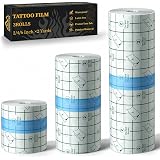
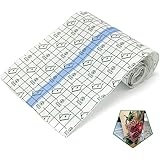
If your pets share your bed, proactive measures are crucial. The most effective strategy is to wrap your tattoo at night using plastic wrap and medical tape, or a specialized “second skin” product like Tegaderm or Saniderm. This creates a physical barrier, preventing direct contact with pet fur, saliva, or paws. In the morning, gently remove the wrap, wash the tattoo, and apply ointment as usual. Alternatively, consider temporarily restricting pets from the bed or even your bedroom during the initial critical healing period.
The “Second Skin” Solution: Tegaderm and Saniderm
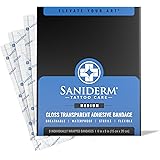
For those looking for a less messy and often more protective approach to nighttime tattoo aftercare, “second skin” products like Tegaderm or Saniderm are game-changers. These breathable, self-adhesive films create a moist healing environment, similar to what the skin naturally prefers. They block out bacteria, dirt, and pet dander effectively, eliminating the need for traditional ointments and wraps during their application period (usually 3-7 days). This significantly reduces the hassle and worry, particularly for active sleepers or pet owners, allowing for a more carefree healing experience. However, proper application and removal are crucial to avoid skin irritation or disrupting the tattoo.
Nutritional Support for Skin Healing
Beyond external care, what you put into your body can also impact tattoo healing. The video touches on the benefits of flavonols and procyanidins found in cocoa and wine. These compounds are potent antioxidants that can improve skin hydration, reduce transepidermal water loss, increase blood flow to both cutaneous and subcutaneous tissues, and even decrease UV light sensitivity – a huge bonus for long-term tattoo preservation.
While enjoying some dark chocolate or a glass of red wine in moderation might offer some benefits, a holistic approach to nutrition is more impactful. Ensuring adequate intake of:
- Vitamin C: Essential for collagen synthesis and immune function (found in citrus, berries, leafy greens).
- Zinc: Crucial for cell growth, immune response, and wound repair (found in nuts, seeds, meat).
- Protein: The building blocks for new tissue (lean meats, legumes, dairy).
- Healthy Fats: Support skin barrier function and reduce inflammation (avocado, olive oil, fatty fish).
These nutrients collectively support your body’s ability to heal and maintain healthy skin, which in turn helps your new tattoo to look its best. While the healing process can be uncomfortable and might involve sacrificing a pillowcase or piece of clothing, understanding these aspects of sleeping with a new tattoo and applying consistent aftercare will ensure a smoother journey to a fully healed, vibrant tattoo.
Ink, Sleep, & Snuggles: Your Nighttime Aftercare Q&A
Why is nighttime aftercare important for a new tattoo?
Your body uses sleep as its prime time for repair, with skin cells working overtime to heal damage and regenerate tissue. Proper nighttime care is vital to protect your fresh ink during this crucial healing phase.
What should I do to prepare my bed when sleeping with a new tattoo?
Your fresh tattoo may weep excess ink, blood, and plasma, which can stain bedding. It’s highly recommended to cover your mattress with an old sheet or towel and use dark or disposable pillowcases and sheets.
How much ointment should I put on my new tattoo at night?
Apply a thin layer of antibacterial ointment to create a protective barrier. An overly thick layer can suffocate the skin and hinder healing, so a thin, even coating is best.
Is it safe for my pets to sleep with me if I have a new tattoo?
It’s best to avoid direct contact between your pets and your new tattoo, as they can transmit bacteria that may cause serious infections. Consider temporarily restricting pets from your bed or using a protective ‘second skin’ product on your tattoo.
What are ‘second skin’ products like Tegaderm or Saniderm for tattoo aftercare?
These are breathable, self-adhesive films that create a moist healing environment for your tattoo. They act as a protective barrier against bacteria, dirt, and pet dander, often reducing the need for traditional ointments and wraps during their application period.