Have you ever wondered about the sheer dedication required for a monumental personal challenge? The video above showcases an incredible feat of commitment: a person tattooing themselves daily for 500 consecutive days. This kind of perseverance is truly remarkable. It highlights a deep passion for body art. It also sparks many questions about the process itself. This self-tattooing journey is fascinating to observe.
The Dedication of Daily Tattoos
Embarking on a daily tattoo challenge demands immense discipline. Imagine setting up your equipment every single day. You must prepare your skin. You then apply a new piece of permanent art. This repetitive act builds a unique personal gallery. It also tests one’s endurance and artistic vision. This level of dedication is uncommon. It shows a profound connection to the art form.
Many artists dedicate their lives to tattooing others. But tattooing oneself daily is a different journey. It is a very personal exploration. Each day adds a new chapter to their skin’s story. This challenge becomes part of their identity. It showcases a powerful commitment to personal expression.
Understanding Self-Tattooing Risks
While the video illustrates dedication, it’s crucial to discuss self-tattooing itself. Professional tattooing is a precise art. It requires extensive training. It also demands strict hygiene practices. Self-tattooing carries significant risks. It is often done by untrained individuals. They might lack proper equipment. They might not understand sanitation protocols.
One major risk is infection. Needles can easily introduce bacteria into the body. This can lead to serious skin infections. These infections might require medical treatment. They can even cause permanent scarring. Bloodborne pathogens are also a concern. Diseases like Hepatitis B or C can spread. This happens when needles are not sterile. Cross-contamination is a real danger. It can harm the tattooer and others.
Poor artistic outcomes are also common. It is hard to tattoo yourself. Angles are awkward. Visibility is limited. Professional artists spend years learning anatomy. They understand skin depth. They master artistic techniques. Self-tattooing often results in blowouts. The ink spreads under the skin. It causes blurry lines. It can also lead to scarring. The skin reacts negatively to trauma. Sometimes, allergic reactions occur. This happens with certain inks. Always check ingredients. Improper aftercare can worsen these issues.
Essential Tattoo Safety
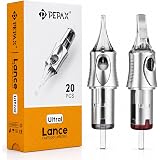
Safety is paramount in any tattooing process. Professional studios adhere to strict guidelines. These rules protect both the artist and the client. A sterile environment is non-negotiable. This means clean surfaces. It means proper waste disposal. Artists use single-use needles. These needles are sealed in sterile packaging. They are opened right before use. Then they are disposed of safely. Gloves are always worn. They prevent cross-contamination. These simple steps stop germ spread.
High-quality, professional-grade ink is vital. These inks are formulated for safety. They minimize allergic reactions. They ensure vibrant, lasting colors. Cheap or unknown inks are dangerous. They might contain harmful chemicals. Equipment must be sterilized properly. Autoclaves are used for reusable items. This kills all bacteria and viruses. All these measures reduce risks. They ensure a safe tattooing experience.
The Tattoo Process: A Quick Overview
How does a tattoo become permanent? It starts with a specialized machine. This machine moves a needle quickly. The needle punctures the skin repeatedly. It pushes ink into the dermis layer. This is just below the epidermis. The dermis layer holds the ink. The body’s immune system tries to remove it. But the ink particles are too large. They stay trapped in the dermis. This makes the tattoo permanent. It is a fascinating biological process. Each tiny puncture builds the design.
Crucial Aftercare for New Tattoos
Getting a tattoo is only half the battle. Proper aftercare is just as important. It prevents infection. It ensures your tattoo heals beautifully. Always follow your artist’s instructions. Keep the tattoo clean. Wash it gently with mild, unscented soap. Pat it dry with a clean paper towel. Never rub it. Apply a thin layer of recommended ointment. This keeps the skin moisturized. It prevents drying and cracking. Do not over-moisturize. This can suffocate the skin.
Avoid direct sunlight. UV rays can damage new tattoos. They can cause fading. Wear loose clothing over it. Stay out of pools and hot tubs. Submerging a new tattoo can introduce bacteria. It can also dilute the ink. Give your tattoo time to breathe. Do not pick at scabs. Let them fall off naturally. Picking can pull out ink. It can also cause scarring. A healthy diet helps healing. Stay hydrated. Your body needs energy to recover. Patience is key during the healing phase.
The Art and Impact of Permanent Ink
Tattoos are more than just pictures on skin. They are powerful forms of self-expression. Each design tells a story. It might represent memories. It might symbolize beliefs. Tattoos can be deeply personal. They can also be bold declarations. This art form spans cultures and centuries. From ancient tribes to modern cities, tattoos endure. They connect people. They celebrate individuality. They transform the body into a living canvas.
The decision to get a tattoo is significant. It is a permanent mark. Consider the design carefully. Think about its meaning to you. Research your artist thoroughly. The permanence of ink holds great meaning. It is a commitment to a design. It is also a commitment to yourself. The journey shown in the video highlights this commitment. It embodies the spirit of self-transformation through daily tattoos.
Your Ink-quiry: Delving into 500 Days of Daily Tattoos
What are the main dangers of self-tattooing?
Self-tattooing carries significant risks such as infections, the spread of bloodborne diseases, and poor artistic outcomes like blurry lines or scarring due to a lack of training and proper hygiene.
How does a tattoo become a permanent mark on the skin?
A tattoo becomes permanent when a specialized machine punctures the skin repeatedly, pushing ink into the dermis layer, where the ink particles are too large for the body’s immune system to remove.
What essential steps should I follow for new tattoo aftercare?
Proper aftercare involves keeping the tattoo clean with mild, unscented soap, applying a thin layer of recommended ointment, avoiding direct sunlight and submerging it in water, and never picking at scabs.
How do professional tattoo studios ensure a safe tattooing experience?
Professional studios ensure safety by maintaining sterile environments, using single-use needles that are opened in front of the client, wearing gloves, and utilizing high-quality, professional-grade inks and properly sterilized equipment.