Ensuring the proper healing of a new tattoo is paramount for both its aesthetic longevity and your overall health. As demonstrated in the accompanying video, the initial aftercare steps establish the foundation for successful healing, mitigating risks such as infection or compromised artwork. Consequently, understanding and meticulously following a structured aftercare regimen is not merely advisable but essential for anyone investing in body art.
The immediate post-tattoo period is crucial, with your fresh tattoo being an open wound susceptible to various contaminants. Therefore, the protective wrap applied by your artist, whether it be traditional cling film or a modern dry-lock pad, serves a vital function. This initial barrier shields the vulnerable skin from environmental pathogens and minimizes fluid loss, creating a sterile environment for the wound’s first hours. Leaving this initial dressing on for a sufficient duration, often around 6-8 hours as suggested, allows the initial lymphatic fluid, blood, and excess ink to collect without exposure to external elements, initiating the natural healing process.
Initial Removal and Gentle Cleansing Rituals
Upon carefully removing the initial wrap, you will observe a collection of plasma, blood, and residual ink on the skin’s surface. This is a normal physiological response, indicating the body’s commencement of wound repair and the expulsion of excess pigment. Subsequently, the area requires immediate, yet gentle, cleansing to remove this exudate and prevent the formation of heavy scabs, which can impede healing and potentially pull ink from the design.
For this crucial step, selecting the correct cleansing agent is non-negotiable. It is imperative to use a fragrance-free, antibacterial soap to effectively eliminate bacteria without introducing irritants that could inflame the delicate skin. Products like Dial Gold antibacterial soap are frequently recommended by professionals due to their proven efficacy and mild formulation, although any unperfumed antibacterial soap will suffice. Lathering a small amount of soap with warm water and gently washing the tattooed area with clean hands helps dislodge debris and keeps the wound clean, fostering an optimal healing environment.
Drying Techniques and Preventing Cross-Contamination
After cleansing, proper drying of the tattoo is just as critical as the washing itself. Consequently, the method employed for drying significantly impacts the risk of bacterial introduction and irritation. Utilizing a clean paper towel to gently pat the area dry is highly recommended, as paper towels are single-use and minimize the risk of cross-contamination often associated with reusable cloth towels. In contrast, cloth towels, even freshly laundered ones, can harbor bacteria or microscopic fibers that might irritate the healing skin or become embedded in the wound.
Alternatively, allowing the tattoo to air dry completely is another excellent option, as it eliminates any physical contact with materials that could cause friction or transfer contaminants. This method is particularly beneficial for individuals with sensitive skin or those aiming for the gentlest possible aftercare. Regardless of the chosen drying technique, patience is key; ensure the tattoo is thoroughly dry before proceeding to the next step, as residual moisture can encourage bacterial growth.
The Efficacy of Advanced Tattoo Healing Methods: Second Skin Products
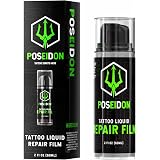
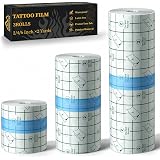
Once the tattoo is clean and completely dry, the application of a “second skin” product, such as Derm Shield, represents a modern advancement in tattoo aftercare. These medical-grade adhesive films, originally developed for wound care, have been widely adopted in the tattoo industry due to their remarkable benefits. Functionally, these products create a breathable, waterproof, and bacteria-proof barrier over the fresh tattoo, essentially mimicking the natural protective function of healthy skin. This innovative approach allows the skin to heal in a moist environment, which is scientifically proven to accelerate wound healing and minimize scab formation.
Studies indicate that moist wound healing environments can reduce healing time by up to 50% compared to traditional dry healing methods, while also reducing the incidence of scarring. Furthermore, the semi-permeable nature of second skin allows oxygen to reach the wound while preventing external contaminants from entering, thereby significantly lowering the risk of infection. The material is typically thin and flexible, conforming to the body’s contours, which is particularly advantageous for intricate or awkwardly placed tattoos, as observed with hand tattoos requiring multiple pieces for full coverage.
Understanding the Mechanism: How Second Skin Promotes Optimal Tattoo Healing
The primary advantage of second skin products lies in their ability to “trick” the skin into believing it is already scabbed over, facilitating a more efficient healing process. By providing a continuous, protected environment, the skin’s natural regeneration mechanisms are optimized, leading to a smoother recovery. This enclosed healing also prevents the drying out of the wound, which can lead to larger, more disruptive scabs that might pull out ink when they detach. Consequently, the vibrant appearance of the tattoo is better preserved, resulting in superior color retention and crisper lines.
Moreover, the protective layer minimizes friction from clothing and prevents accidental bumps or scratches, which are common concerns during the initial healing phase. This consistent protection not only reduces discomfort but also drastically lowers the chance of external trauma compromising the tattoo’s integrity. For instance, data from dermatological research suggests that maintaining a sterile, protected environment during the initial healing of dermal abrasions can decrease infection rates from an average of 10-15% to less than 2-3%, underscoring the significant protective benefits these films offer for tattoo healing.
Managing Swelling and Long-Term Tattoo Aftercare
Even with meticulous aftercare, experiencing some degree of swelling after receiving a new tattoo is a common and expected physiological response. The body initiates an inflammatory response to the trauma of tattooing, directing increased blood flow and immune cells to the area. This natural reaction typically subsides within a few days, particularly when proper aftercare steps are consistently followed. Applying a second skin product can help manage this initial swelling by providing a gentle, constant compression, though it is primarily designed for protection.
Following the initial healing phase, which usually lasts between 1-2 weeks depending on the individual and the tattoo’s size, ongoing care remains important for the long-term vibrancy of your artwork. Regularly moisturizing with a fragrance-free lotion, protecting the tattoo from excessive sun exposure with high-SPF sunscreen, and maintaining good skin hydration are all crucial. Ultimately, proper tattoo healing is a commitment that extends beyond the first few days, ensuring your body art remains a source of pride for years to come. These comprehensive steps are vital for effective tattoo healing.
The Healing Canvas: Your Tattoo Questions Answered
What should I do right after getting a new tattoo?
Your tattoo artist will apply a protective wrap. You should leave this initial dressing on for about 6-8 hours to protect your new tattoo from contaminants and allow it to begin healing.
How do I clean my new tattoo for the first time?
After removing the initial wrap, gently wash the tattooed area with clean hands using a fragrance-free, antibacterial soap and warm water to remove any plasma, blood, or excess ink.
What’s the best way to dry my tattoo after washing it?
You can gently pat the tattoo dry with a clean paper towel, or simply allow it to air dry completely. Make sure it is thoroughly dry before proceeding with further care.
What are ‘second skin’ products like Derm Shield?
Second skin products are medical-grade adhesive films that create a breathable, waterproof barrier over your tattoo. They help the tattoo heal faster in a moist environment and protect it from bacteria and friction.