Ensuring proper new tattoo aftercare is crucial for the longevity and vibrancy of your body art. As briefly touched upon in the accompanying video, the healing process for each individual can vary. However, a consistent and careful approach to tattoo care is universally recommended to prevent complications and achieve the best possible outcome.
Following the right steps ensures that a fresh tattoo heals beautifully, keeping its colors crisp and lines sharp. Neglecting aftercare can lead to issues such as infection, color fading, or scarring. Therefore, understanding and implementing essential tattoo aftercare practices is very important.
Immediate Steps for New Tattoo Aftercare
The initial hours and days following your tattoo session are vital for healing. Proper management during this period can significantly influence the final appearance of your tattoo. Specific actions should be taken carefully to protect the fresh wound.
Removing the Initial Bandage
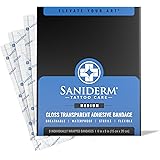
Your tattoo artist will apply a bandage to your new tattoo. This bandage helps to protect the fresh wound from bacteria and irritation during the first few hours. The type of bandage used will determine how long it should remain on the skin.
Typically, a traditional cling film bandage is kept on for a few hours, often between 2 to 4. For specialized medical bandages, such as those that are breathable and waterproof, the duration can extend to several days, sometimes up to a week. Instructions from your artist regarding bandage removal should always be followed.
The First Wash of Your Fresh Tattoo
Once the bandage is removed, the area must be gently washed. This step helps to remove any excess ink, blood, or plasma that may have accumulated. A clean and sterile environment is established through this initial cleaning.
As mentioned in the video, an antibacterial soap is recommended for this process. The soap should be fragrance-free and gentle to avoid irritating the sensitive skin. The tattoo should be washed with lukewarm water and clean hands, without using a washcloth or sponge, which can harbor bacteria.
Essential Daily Tattoo Care Practices
Consistent daily care is fundamental to the new tattoo healing process. These steps are performed regularly over the next few weeks. They contribute to a clean, moisturized, and protected environment for the healing skin.
Washing Your Tattoo Regularly
The tattooed area should be washed two to three times daily. This frequency helps to keep the tattoo clean and free from bacterial buildup. Gentle washing promotes optimal healing conditions.
Again, a mild, antibacterial, fragrance-free soap is preferred. The washing process should involve carefully lathering the soap with clean hands and gently rinsing the tattoo with lukewarm water. Patting the area dry with a clean paper towel, rather than rubbing, is also very important to avoid irritation.
Moisturizing with Aquaphor or Similar Products
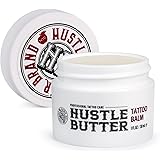
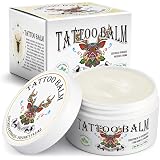
Moisturization is a key component of tattoo aftercare, as highlighted in the video. Products like Aquaphor are widely recommended for their ability to create a protective barrier while allowing the skin to breathe. The skin is kept hydrated, which prevents excessive dryness and scabbing.
Aquaphor should be applied in a very thin layer, two to three times per day, as noted in the transcript. A thin application allows the skin to receive adequate moisture without suffocating it. Over-moisturizing can lead to clogged pores and potentially hinder healing, so a small amount is sufficient.
Alternatively, other fragrance-free, non-comedogenic lotions can be used once the initial heavy healing phase is over. These alternatives provide moisture without petroleum jelly, which some individuals prefer for long-term use. The goal is to keep the skin supple and prevent cracking.
Key Practices to Avoid During Tattoo Healing
During the healing period, certain actions can impede the process or even damage the new tattoo. These practices should be strictly avoided to ensure proper healing and preserve the tattoo’s quality. Awareness of these pitfalls is just as important as knowing what to do.
Resisting the Urge to Scratch
It is common for a healing tattoo to become itchy, especially during the peeling phase. However, scratching the tattoo can be detrimental. Scratching can pull off scabs prematurely, leading to ink loss and potential scarring.
As the video suggests, if the area gets itchy, it should be gently patted. This provides some relief without causing damage to the delicate healing skin. Maintaining good moisturization can also help to alleviate dryness and reduce itchiness.
Avoiding Soaking the Tattoo
While quick showers are acceptable for new tattoo aftercare, as indicated in the video, prolonged exposure to water should be avoided. Soaking the tattoo in baths, hot tubs, or swimming pools can introduce bacteria to the open wound. This significantly increases the risk of infection.
Additionally, excessive water exposure can cause the scabs to soften and fall off too soon. This premature removal of scabs can pull out ink and affect the tattoo’s appearance. Short, quick showers are generally permitted, but the tattoo should not be submerged.
Protecting from Sun Exposure
Direct sunlight is particularly harmful to a new tattoo. UV rays can fade the ink and damage the delicate healing skin. Sunburn on a fresh tattoo can also lead to blistering and infection.
It is advised to keep the new tattoo covered with loose clothing when outdoors. Once the tattoo is fully healed, usually after several weeks, a broad-spectrum sunscreen with a high SPF should be used to protect it from sun damage. This practice helps to maintain the tattoo’s color and definition over its lifetime.
Wearing Appropriate Clothing
The type of clothing worn over a healing tattoo can impact its recovery. Tight clothing can rub against the tattoo, causing irritation and potentially pulling off scabs. This friction can also trap moisture, creating a breeding ground for bacteria.
Loose-fitting, breathable fabrics like cotton are recommended. These materials allow air to circulate around the tattoo, promoting healing and reducing irritation. Preventing direct contact with rough or restrictive materials is important.
Understanding the Tattoo Healing Process
The entire tattoo healing process typically takes about 2 to 4 weeks, though deeper layers of skin can continue to heal for several months. Understanding what to expect during this period can help alleviate concerns and ensure proper care is maintained.
Stages of Healing
Initially, the tattoo will appear red and swollen, similar to a sunburn. This is a normal inflammatory response. Over the next few days, thin scabs will form, and the tattoo may start to peel, similar to a sunburn peeling. This peeling is a natural part of the healing process as the outer layer of damaged skin sheds.
Underneath the peeling skin, the new skin will appear somewhat shiny or dull. As healing progresses, the tattoo’s colors will begin to clarify and settle into their permanent appearance. Patience is key during these stages of recovery.
Recognizing Signs of Infection
While good aftercare minimizes risks, it is important to be aware of potential signs of infection. If severe redness, increasing pain, excessive swelling, pus, or fever are observed, medical attention should be sought. Early detection and treatment can prevent more serious complications.
These symptoms are distinct from the normal discomfort and mild inflammation associated with a fresh tattoo. Any unusual or worsening signs should be taken seriously. Maintaining cleanliness and following aftercare instructions diligently helps to avoid these issues.
Nurturing Your New Tattoo: Aftercare Q&A
Why is it important to care for a new tattoo?
Proper aftercare is crucial for your new tattoo to heal well, keeping its colors vibrant and lines sharp. Neglecting care can lead to issues like infection, color fading, or scarring.
How do I clean my new tattoo for the first time?
After your tattoo artist’s recommended bandage removal time, gently wash the tattoo with lukewarm water and a fragrance-free antibacterial soap using clean hands. Then, pat it dry with a clean paper towel.
How often should I wash and moisturize my new tattoo daily?
You should wash your tattoo two to three times daily with a mild, antibacterial, fragrance-free soap. After washing and drying, apply a very thin layer of moisturizer like Aquaphor, also two to three times a day.
What should I do if my new tattoo gets itchy?
It’s common for healing tattoos to itch, but you should never scratch it. Gently pat the area for relief and ensure it is kept well-moisturized.
How long does a new tattoo usually take to heal?
The outer layers of your new tattoo typically heal within 2 to 4 weeks. However, the deeper layers of skin can continue to heal for several months.