Unlock the Secret to a Thriving Tattoo Balm Business: An All-Natural Recipe Guide
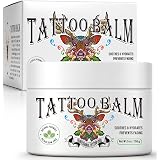
There has been a significant surge in demand for high-quality tattoo aftercare, with many individuals seeking natural and effective solutions. The crafting of a dedicated **tattoo balm recipe** presents a unique opportunity for entrepreneurs looking to enter the beauty and wellness market. As highlighted in the video above, developing an effective and all-natural tattoo balm is not only achievable but also highly sought after by consumers.
This guide expands on the principles demonstrated, offering a detailed look into creating a robust 5-pound batch, or approximately 80 ounces, of a superior, oil-based tattoo balm. The focus remains on natural ingredients that support skin health and promote healing, ensuring a product that truly stands out.
The Power of a Natural Tattoo Balm
A well-formulated tattoo balm provides crucial support for the skin during the healing process. Its primary function is to create a protective barrier, locking in moisture and shielding the delicate skin from environmental aggressors. Unlike many conventional products, an all-natural balm, rich in vitamins and fatty acids, actively nourishes the skin, aiding in regeneration and maintaining elasticity.
The oil-based nature of this specific formulation ensures deep hydration without the need for water, which can sometimes dilute the potency of active ingredients or necessitate stronger preservatives. This approach aligns perfectly with the desire for clean, effective skincare solutions.
Essential Ingredients for Your Tattoo Balm Recipe
Each component in this formulation is carefully selected for its specific benefits, contributing to the overall efficacy and luxurious feel of the balm. The precise measurements provided are for an 80 oz batch, but these can be scaled proportionally for different production needs.
Nourishing Oils for Skin Restoration
-
Sunflower Seed Oil (20 oz): This lightweight, non-comedogenic oil is a cornerstone of the balm. Rich in vitamins A, D, and E, it is easily absorbed by the skin, providing excellent moisturization and forming a protective layer that helps in recovery.
-
Castor Oil (16 oz): Known for its deeply moisturizing properties, castor oil plays a vital role in promoting healthy skin healing. Its thick consistency also contributes to the balm’s smooth texture, ensuring an even application that feels comforting on compromised skin.
-
Avocado Seed Oil (8 oz): Despite being described as a “drier oil” in terms of initial feel, avocado oil is incredibly potent. It is packed with fatty acids that nourish and soften the skin, actively promoting cellular regeneration, which is crucial for a beautifully healed tattoo.
-
Organic Olive Oil (12 oz): Opting for organic olive oil ensures a product free from unwanted additives. It is a powerhouse of antioxidants, working to soothe and hydrate the skin while also helping to maintain its natural elasticity as it heals.
Waxes and Butters for Structure and Protection
-
Carnauba Wax (4 oz): This vegetable wax is preferred over beeswax in this formulation for its ability to provide a superior protective barrier and a non-greasy finish. It also imparts excellent firmness and stability to the balm, ensuring it holds its shape and consistency.
-
Shea Butter (12 oz): A deeply moisturizing ingredient, shea butter is cherished for its richness in vitamins A and E. It acts as a superb skin conditioner, delivering that desired smooth softness and a healthy glow often sought in skincare products.
-
Kokum Butter (4 oz): Distinguished by its non-greasy feel and rapid absorption, kokum butter is excellent for regenerating skin cells. It further contributes to the balm’s firmness, creating a product that feels substantial yet melts effortlessly into the skin.
Vital Actives and Preservatives
-
Vitamin E (0.8 oz): As a powerful antioxidant, Vitamin E is indispensable in this oil-based formula. It extends the shelf life of the oils by protecting them from oxidation, akin to providing an invisible shield that preserves freshness and potency.
-
Optiphen Plus (0.8 oz): The inclusion of a preservative like Optiphen Plus is absolutely critical. While the balm is oil-based, contaminants can still be introduced during use. This ingredient acts as a guardian, preventing the growth of bacteria and microbial spoilage, ensuring the product remains safe and healthy for application to healing skin.
Mastering the Formulation Process
The creation of this **tattoo balm recipe** involves a straightforward process, but attention to detail is key for a professional-grade product. Precision in heating and cooling stages ensures optimal texture and ingredient integration.
The Melting Phase
All the butters and waxes, along with the base oils, are gently heated together in a double boiler. A gradual melting process is preferred, typically aiming for a temperature range between 158 to 167 degrees Fahrenheit. This range ensures that all solid components fully liquefy without exposing the ingredients to excessive heat, which could degrade their beneficial properties.
Cooling and Additive Integration
Once thoroughly melted, the mixture is carefully removed from the heat source and allowed to cool. This cooling phase is crucial; heat-sensitive ingredients, such as Vitamin E and the preservative Optiphen Plus, are added when the mixture reaches approximately 113 degrees Fahrenheit. Incorporating them at this lower temperature prevents their degradation and ensures their efficacy. Gentle stirring during this stage achieves an even, smooth distribution of these vital components.
Pouring and Solidification
To avoid graininess, a common issue in balm formulations, the cooling process can be accelerated in a cooler environment. The balm is poured into its final containers when it reaches a semi-solid consistency. This semi-solid state is ideal for pouring, as it prevents potential melting of containers by excessive heat and allows the balm to set uniformly. If graininess does occur, the mixture can be gently reheated and re-cooled to achieve the desired smooth texture.
Tips for a Flawless Balm and Business Success
Producing a high-quality **tattoo balm recipe** consistently requires careful practice. Understanding the nuances of heating and cooling cycles, and the role of each ingredient, will elevate your product from a simple DIY project to a professional offering.
Beyond the formulation, consider the presentation of your product. Thoughtful packaging and clear labeling of ingredients and benefits will attract customers. Researching the target market for tattoo aftercare reveals a strong preference for natural, effective, and ethically produced goods.
The Balm of Knowledge: Your Tattoo Balm Business Q&A
What is a tattoo balm used for?
A tattoo balm helps the skin heal by creating a protective barrier, locking in moisture, and shielding the delicate skin from outside elements. It nourishes the skin, aiding in regeneration and maintaining elasticity.
Why is using natural ingredients important for a tattoo balm?
Natural ingredients, rich in vitamins and fatty acids, actively nourish the skin, aid in regeneration, and maintain elasticity. This offers clean, effective skincare solutions for healing tattoos.
What types of ingredients are in this tattoo balm recipe?
This tattoo balm recipe uses nourishing oils like sunflower and olive oil, waxes and butters such as carnauba wax and shea butter, and vital additives like Vitamin E and a preservative.
Do I need to use a preservative in an oil-based tattoo balm?
Yes, a preservative like Optiphen Plus is critical, even in oil-based balms, to prevent the growth of bacteria and microbial spoilage. This ensures the product remains safe and healthy for application to healing skin.
What are the basic steps to make this tattoo balm?
The process involves gently melting the butters, waxes, and base oils together, then allowing the mixture to cool. Heat-sensitive ingredients are added at a lower temperature, and finally, the balm is poured into containers to solidify.