Choosing Your First Tattoo Machine: A Comprehensive Guide for Aspiring Artists
Embarking on the path of tattoo artistry presents an exciting, albeit challenging, journey. One of the initial hurdles many aspiring tattoo artists face involves selecting the ideal tattoo machine. With a vast array of options available, ranging from traditional coils to modern rotary and pen-style machines, the decision can feel overwhelming for beginners. Fortunately, understanding the mechanics, advantages, and disadvantages of each type can significantly simplify this crucial choice, setting a solid foundation for your tattooing career.
The accompanying video offers a fantastic primer, breaking down various tattoo machine types and providing valuable insights from an experienced artist. This article builds upon that foundational knowledge, delving deeper into the nuances of each machine, equipping you with the comprehensive understanding needed to make an informed decision for your initial investment in tattoo equipment.
Understanding the Core: The Primary Types of Tattoo Machines for Beginners
The world of tattoo machines is primarily divided into three categories: coil, rotary, and pen-style. Each operates on distinct principles, offering different user experiences and artistic outcomes. Recognizing these fundamental differences is paramount for any beginner tattoo artist aiming to develop proficiency and control.
Coil machines, the venerable workhorses of the industry, function through electromagnetic currents. These currents activate a pair of coils, creating a magnetic pull and release that drives an armature bar. This precise motion, in turn, moves the attached needle grouping up and down, puncturing the skin to deposit ink. Their distinctive buzzing sound is often considered the traditional soundtrack of tattoo studios.
Rotary machines, by contrast, utilize a motor to generate their motion. They typically employ a rotating cam wheel or a linear sliding mechanism to convert the motor’s rotational energy into the necessary up-and-down motion for the needle. These machines are often much quieter than their coil counterparts and usually produce less vibration, offering a different tactile experience for the artist. Furthermore, pen-style machines, a subcategory of rotaries, are designed to emulate the natural feel of holding a pen, providing ergonomic benefits and often integrating the motor directly into the grip.
Coil Tattoo Machines: The Traditional Powerhouses for Foundational Skills
For decades, coil machines have been the cornerstone of the tattooing industry, valued for their robustness and the unique feedback they provide. As highlighted in the video, these machines are exceptionally durable, capable of lasting “years, 20 years, even more,” under normal usage. This longevity makes them a sound investment, particularly when considering the costs associated with establishing a professional tattooing setup.
Developing Hand Stability and Dexterity with Coils
One of the most compelling arguments for starting with coil machines, especially for aspiring tattoo artists, lies in their ability to cultivate superior hand control and dexterity. The inherent weight and significant vibration produced by a coil machine demand a firmer grip and a more stable hand. This constant engagement strengthens the muscles in the artist’s hand and wrist, transforming initial discomfort into enduring stamina and precision. Over time, this rigorous training translates into better line work and more consistent shading, critical skills for any artist.
Think of it as learning to drive a manual transmission car before an automatic. While the automatic offers immediate ease, the manual transmission forces a deeper understanding of the vehicle’s mechanics and develops a heightened sense of control. Similarly, mastering the coil machine equips artists with an intuitive feel for the machine’s operation and its interaction with the skin, which is a nuanced skill often overlooked.
The “Give” of the Skin: A Unique Coil Advantage
A distinctive characteristic of coil machines is the slight “give” they offer when the needle encounters the skin. Unlike some rotary machines that deliver a more direct, forceful hit, the electromagnetic action of coils allows for a subtle resistance from the skin before the needle fully penetrates. This margin of error can be invaluable for beginners, significantly reducing the chances of “screwing up” a client’s skin. It provides a micro-second of feedback, allowing the artist to adjust pressure and angle, fostering a more controlled and forgiving learning environment. This unique characteristic protects both the client’s skin and the beginner’s confidence.
Setting Up Liner and Shader Coils
Unlike many rotary machines that can perform both lining and shading functions with adjustments, coil machines are typically specialized. You will usually require two separate coil machines: one configured as a “liner” and another as a “shader.” A lining machine is tuned for faster, crisper needle action, designed to create sharp, defined outlines. A shading machine, conversely, operates with a slower, softer hit, ideal for depositing ink smoothly to create gradients and fill-ins. While the video mentions that many machines come pre-configured, understanding the principles of tuning them for specific tasks—adjusting springs, contact screws, and armatures—is a crucial aspect of tattoo machine maintenance and personalization that distinguishes a truly skilled artist.
Price-wise, while custom coil machines can be expensive, entry-level coil machines are quite accessible. For instance, Dragonhawk offers quality coil machines for around 2,000 Philippine pesos (approximately $35-40 USD), as highlighted in the video. This makes purchasing two separate machines—a liner and a shader—a feasible option for beginners operating within a budget, enabling them to experience the specialized roles of each machine.
Rotary Tattoo Machines: Modern Versatility for Beginner Artists
Rotary machines represent a significant evolution in tattoo machine technology, offering a different set of advantages that appeal to many modern artists and beginners alike. Their operation is generally quieter and produces less vibration than coil machines, which can reduce hand fatigue during extended tattooing sessions. This comfort factor makes them an attractive option, especially for artists working on larger pieces.
Direct Drive and Linear Drive Rotaries
The video points out two main types of rotary machines: linear drive and direct drive. A linear drive rotary typically features a sliding bar that moves the needle directly up and down, mimicking the action of a coil machine’s armature bar but powered by a motor. This design often allows for a consistent, powerful stroke. Direct drive rotaries, conversely, connect the motor directly to an eccentric cam wheel, which then drives the needle. This simple mechanism often translates to fewer moving parts, contributing to higher reliability and easier maintenance. The Dragonhawk Extreme Two, mentioned in the video, is an excellent example of a direct drive machine, praised for its versatility in both lining and shading.
Adjustable Stroke Length: A Key Feature for Versatility
One of the most significant benefits of many rotary machines, particularly direct drive models, is the ability to adjust the stroke length. The stroke refers to the distance the needle travels during each up-and-down cycle. As the video explains, a higher stroke number signifies a stronger “hit,” meaning the needle penetrates the skin with greater force and depth. Conversely, a shorter stroke results in a softer hit. This adjustable range, typically from 1.5 millimeters to 5 millimeters, allows a single rotary machine to perform multiple functions. A longer stroke (e.g., 4-5mm) is ideal for crisp lining and color packing, while a shorter stroke (e.g., 1.5-3mm) is better suited for delicate shading and smooth blends. This versatility eliminates the need for multiple specialized machines, making a quality rotary a cost-effective choice for many beginners.
Power Connections: RCA vs. Clip Cord
When selecting a rotary machine, you will encounter two primary types of power connections: RCA and clip cord. The clip cord connection is a traditional setup, often found on older machines and some modern coils. RCA connections, however, have become standard for many newer rotary and pen-style machines due to their more secure fit and often more stable electrical current delivery. While some proponents argue that RCA provides “constant power” with less chance of fluctuation, the practical difference for a beginner may be minimal, as the video aptly summarizes. The critical factor is simply ensuring your power supply is compatible with the machine’s connection type, as both perform the essential function of delivering power to the motor.
A good quality direct drive rotary machine, like the Dragonhawk Extreme Two, can be found for approximately 3,500 Philippine pesos, which translates to roughly $45-50 USD on platforms like Amazon. This price point makes them highly attractive to beginners seeking a versatile and budget-friendly entry into the world of tattooing techniques.
Pen-Style Machines: A Contemporary (and Costly) Entry Point
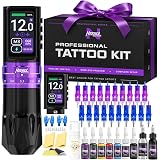
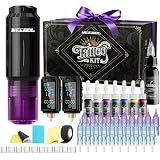
Pen-style tattoo machines have surged in popularity due to their ergonomic design and intuitive handling, mimicking the natural grip of a drawing implement. These are, in essence, a specialized form of rotary machine, often featuring integrated motors and a sleek, compact form factor. They are lauded for reducing hand strain and providing exceptional control, particularly for intricate detail work and fine lines.
The Cost of Convenience: Cartridge Needles and Machine Price
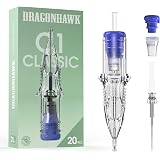
A significant consideration for beginners interested in pen-style machines is the associated cost. Pen machines almost exclusively utilize cartridge needles. Cartridges are self-contained units where the needle bar is enclosed within a disposable plastic housing, often with a safety membrane to prevent ink backflow into the machine. While incredibly convenient and hygienic, these cartridges are considerably more expensive per unit than traditional tattoo needles used with coils. For a beginner on a budget, this recurring expense can quickly add up, often outweighing the initial savings on the machine itself.
Furthermore, pen-style machines typically carry a higher upfront cost compared to entry-level coils or direct drive rotaries. While “cheap knockoff China ones” might be found, the video rightly warns against these, emphasizing the importance of purchasing from “trusted companies” to ensure reliability and safety. Expect wired pen machines to start around 6,500-8,000 Philippine pesos (approximately $115-140 USD), with wireless models being significantly more expensive. This higher barrier to entry, coupled with the ongoing cost of cartridges, makes pen-style machines a less ideal starting point for many aspiring artists, especially those who prioritize mastering fundamental skills before investing in advanced tools.
While their user-friendly design might seem appealing to a “noob,” skipping the traditional learning curve offered by coils might hinder the development of fundamental hand stability and machine feel. Many experienced artists advocate for starting with more challenging tools to build a stronger skill set before transitioning to more ergonomic or automated options.
Navigating Your First Tattoo Machine Purchase: Key Considerations
Making an informed decision about your first tattoo machine involves balancing budget, learning goals, and personal comfort. While the allure of advanced technology is strong, a pragmatic approach focused on skill development is often more beneficial in the long run. Consider these factors:
- Budget Constraints: Prioritize affordability without compromising on basic quality. Entry-level coils or direct drive rotaries offer excellent value.
- Learning Curve: Embrace the challenge. Machines that demand more from the artist often build stronger foundational skills.
- Maintenance and Setup: Understand the basic assembly and cleaning required for each machine type. Coils, while traditional, require some tuning knowledge.
- Needle Costs: Factor in the ongoing expense of needles or cartridges. Traditional needles for coils are generally the most economical.
- Versatility vs. Specialization: Decide if you prefer a single machine capable of both lining and shading (rotary) or dedicated machines for each task (coils).
The Migz Method: Why Coils Can Forge Stronger Foundation Skills
Drawing from personal experience, the video emphatically recommends starting with coil machines, a sentiment echoed by many seasoned tattoo artists. This preference stems from the belief that the unique characteristics of coil machines—their weight, vibration, and the slight “give” in their hit—are instrumental in cultivating essential skills that are harder to develop with lighter, quieter rotary machines. The constant tactile feedback and the physical demand of controlling a coil machine force the artist to refine their hand-eye coordination, strengthen their grip, and develop a nuanced understanding of how the needle interacts with the skin.
This approach is akin to a musician learning to play an acoustic instrument before an electric one; the raw, unamplified sound and direct tactile feedback often build a deeper understanding of the instrument’s mechanics and the fundamentals of tone production. Similarly, wrestling with the vibrations and weight of a coil machine instills a profound sense of control and a robust hand stability that translates powerfully to any subsequent machine you might use. While it may initially feel more challenging, this “old way” of learning often results in a more skilled and adaptable apprentice tattoo artist, ready to tackle any project with confidence and precision. Investing in a fundamental tattoo machine that hones your raw talent will serve your artistic journey well into the future.
Start Your Ink Journey: Beginner Tattoo Machine Q&A
What are the main types of tattoo machines for beginners?
The three main types of tattoo machines are coil machines, which use electromagnetic currents; rotary machines, which use a motor; and pen-style machines, which are a type of rotary designed to feel like holding a pen.
What is a coil tattoo machine and why is it recommended for beginners?
Coil tattoo machines use electromagnetic currents to move the needle and make a distinctive buzzing sound. Many experienced artists recommend them for beginners because their weight and vibration help develop essential hand control and stability.
How do rotary tattoo machines work, and what are their benefits?
Rotary machines use a motor to move the needle, making them generally quieter and producing less vibration than coil machines. Many models also feature adjustable stroke length, allowing a single machine to perform various tasks like lining and shading.
Are pen-style tattoo machines a good choice for new artists?
Pen-style machines are ergonomic and easy to handle, but they typically have a higher upfront cost and require more expensive cartridge needles. While user-friendly, some experts suggest starting with other types to build foundational hand skills before using them.