Navigating the complex world of tattoo machines can often feel overwhelming, especially when you are just starting your journey. With a myriad of options, from coil machines and rotaries to various needle configurations and grip styles, how is the ideal **beginner tattoo machine** to be chosen?
The quest for the perfect first machine is a crucial step for any aspiring tattoo artist. It is understood that a machine must be easy to use, highly versatile, and forgiving. Furthermore, it needs to be durable, as it will likely serve as your sole instrument for exploring different tattoo styles and developing your craft. This foundational tool is integral to your initial growth in the tattooing industry.
Why Your First Tattoo Machine Needs “Give”
A critical feature to look for in a **tattoo machine for beginners** is what is known as “give.” This refers to the suspension mechanism on the needle, which acts as a safety measure. If too much pressure is inadvertently applied, the give will engage, preventing the needle from penetrating too deeply into the client’s skin.
The presence of this feature significantly reduces the risk of common beginner errors, such as blowouts or unnecessary skin trauma. Without adequate give, a machine is likely to hit much harder, thereby increasing the potential for damage. This forgiveness is particularly important for those still developing their touch and control.
Understanding Rotary Machines Versus Other Types
When selecting a **beginner tattoo machine**, rotary machines are generally recommended over coil machines or direct drive systems. Coil machines, while traditional, are often considered less forgiving due to their harder hit and more complex operation. This can elevate the risk of mistakes for artists new to the trade.
Direct drive machines, similarly, lack the crucial give that beginners benefit from. Rotary machines, however, often incorporate a give mechanism on the motor, which is a key advantage. Their smoother operation is also known to contribute to a more consistent and controlled tattooing experience, which is paramount for learning.
Navigating Needle Systems: Cartridges and Traditional Needles
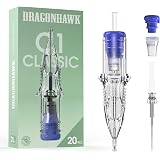
The choice between needle systems is another significant consideration. Traditional needles typically require more setup and skill, involving tubes and separate needles that must be meticulously assembled. Conversely, cartridge systems are celebrated for their ease of use, allowing for quick changes between different needle configurations.
Many **beginner tattoo machines** are designed to use cartridges, offering convenience and versatility. Crossover machines, which accommodate both traditional needles and cartridges, are also available and are considered among the most versatile options. While traditional needles may be preferred for certain specialized tasks, such as blackout tattoos requiring thick magnums, most rotary cartridge systems are capable of executing a wide array of tattoo styles, albeit sometimes requiring different techniques or approaches.
The Importance of Grip and Ergonomics
An often overlooked, yet vital, aspect of a **first tattoo machine** is its grip. Tattoo artists develop unique hand positions and styles; some prefer a wide grip, allowing their hand to remain further from the skin, while others favor a thinner grip that permits a finger or two to rest directly on the cartridge, mirroring a drawing posture.
Machine grips can be static or interchangeable, varying in thickness. It is understood that an uncomfortable or ill-fitting grip can lead to an unnatural hand position, which can negatively impact tattoo quality and artist comfort over long sessions. The right grip ensures a natural extension of the artist’s hand, fostering better control and precision.
What to Avoid When Purchasing Your First Machine
Several types of machines are strongly advised against for beginners, primarily due to issues of quality, reliability, and safety. Pneumatic tattoo machines, for instance, which operate using compressed air, are often viewed as substandard.
These machines are frequently associated with knock-off brands, especially from overseas manufacturers, and are known for their low price point and poor performance. A genuine, professional tattoo machine is expected to represent a significant investment, typically costing at least $400. Investing in a reputable brand is paramount to ensure consistent power, build quality, and safety for both the artist and the client.
The Risks of Cheap Tattoo Machines
The temptation to purchase a cheap pen-style machine with claims of a “good motor” should be resisted. Such machines commonly suffer from inconsistency and poor build quality, despite their appealing price. An unreliable machine can lead to inconsistent ink delivery, motor malfunctions, and ultimately, unsatisfactory tattoo results and potential harm to the client’s skin.
Prioritizing quality and brand reputation safeguards your initial investment and, more importantly, the integrity of your work. The goal is to establish a strong foundation in your tattoo career, which necessitates reliable and professional-grade equipment from the outset.
The Recommended Beginner Tattoo Machine: A Pen-Style Rotary
The consensus among many experienced artists points to a pen-style rotary machine as the ideal **beginner tattoo machine**. This type of machine typically accommodates cartridge systems, offering ease of use and versatility. A key feature is an easily adjustable throw, which controls how far the needle protrudes, allowing for quick adjustments based on the tattooing technique or skin type.
Such machines also often incorporate a forgiving give on the motor, providing that essential buffer for new artists. The Cheyenne Hawk Pen, for example, is highly regarded for its exceptional build quality and robust connection, minimizing the risk of unexpected operational interruptions. Its reliability allows artists to focus on their technique without concerns about equipment failure.
While wireless tattoo machine options are increasingly available in 2024, they can sometimes be bulky and require diligent battery management. For a beginner, the simplicity and consistent power delivery of a wired, pen-style rotary machine often prove to be a more straightforward and dependable choice.
Versatility: A Cornerstone for New Tattoo Artists
As a beginner, it is expected that you will be asked to perform a wide range of tattoo styles. Your initial clients will likely not be seeking your niche style, as that is something that tends to develop over time. A versatile **beginner tattoo machine** empowers you to tackle various requests, which is essential for building a client base and refining your skills across different techniques.
This adaptability is crucial for the learning process, allowing you to experiment and discover which styles resonate most with you. Furthermore, having a reliable and versatile machine provides the flexibility needed to practice and improve, ensuring that you can confidently approach any tattoo challenge presented to you.
Ultimately, selecting a quality **beginner tattoo machine** is an investment in your career and in the safety and satisfaction of your clients. It is understood that careful research and a focus on reputable, forgiving, and versatile tools will provide the best start in the dynamic world of tattooing.
Your First Machine: Q&A for Aspiring Tattoo Artists
What type of tattoo machine is generally recommended for beginners?
Rotary machines are generally recommended for beginners because they offer smoother operation and often include a safety mechanism called ‘give,’ making them more forgiving.
What is ‘give’ on a tattoo machine and why is it important for new artists?
‘Give’ refers to a suspension mechanism on the needle that prevents it from penetrating too deeply into the skin if excess pressure is applied. This feature significantly reduces the risk of common beginner errors like blowouts.
Are traditional needles or cartridge systems better for a beginner?
Cartridge systems are highly recommended for beginners due to their ease of use, allowing for quick and convenient changes between different needle configurations without complex assembly.
What kind of tattoo machines should beginners avoid purchasing?
Beginners should avoid cheap, low-quality machines, especially pneumatic ones or inexpensive pen-style machines from unknown brands. These can be unreliable and compromise safety and tattoo quality.
Why is a pen-style rotary machine often recommended as an ideal beginner machine?
A pen-style rotary machine is ideal because it typically uses cartridge systems, offers adjustable needle throw, and often incorporates a forgiving ‘give’ on the motor, providing ease of use and versatility for new artists.