Imagine standing at the threshold of a vibrant new career, the hum of anticipation filling the air as you prepare to embark on your tattooing journey. The initial excitement often converges with a significant challenge: selecting the perfect first tattoo machine. This critical decision lays the groundwork for your technique, comfort, and ultimately, your artistic progression within the demanding world of professional tattooing.
As the accompanying video rightly highlights, choosing an entry-level machine does not necessitate acquiring the most expensive device available, nor should one settle for the absolute cheapest option. The objective involves identifying a robust, versatile tool that facilitates rapid skill development and instills confidence. This article expands upon the video’s recommendations, delving deeper into the technical specifications and considerations that empower aspiring artists to make an informed investment.
Selecting Your First Beginner Tattoo Machine: Key Considerations
Embarking on the path to becoming a skilled tattoo artist requires meticulous attention to every detail, particularly when choosing your primary instrument. An ideal beginner tattoo machine provides a balanced blend of performance, durability, and ergonomic design, ensuring a smoother learning curve. Understanding the core attributes of these devices proves paramount for anyone just starting out.
Investing in a high-quality yet budget-friendly entry-level tattoo machine establishes a solid foundation for mastering various tattooing techniques. These machines are engineered to withstand the rigorous demands of frequent practice sessions while offering consistent pigment implantation. Consequently, aspiring artists can focus on developing their craft rather than contending with unreliable equipment issues.
The Rotary Machine Advantage for Aspiring Tattoo Artists
The video specifically champions rotary machines for beginners, and this recommendation is firmly rooted in their inherent advantages over traditional coil machines. Rotary machines operate with a motor-driven mechanism, providing a smooth, consistent output ideal for various tattooing applications. Their simplified operation significantly reduces the initial learning curve, making them superb beginner tattoo machines.
Furthermore, the maintenance requirements for rotary machines are considerably less intensive compared to their coil counterparts. Artists can typically clean and lubricate these units with ease, ensuring longevity and consistent performance. This low-maintenance aspect allows new tattoo artists to dedicate more time to practice and less time to intricate machine tuning.
Understanding Stroke Length: The 4.0mm Advantage
A crucial technical specification for any tattoo machine is its stroke length, representing the distance the needle travels from its highest to lowest point. The video mentions a 4.0 millimeter stroke, which is an exceptionally versatile measurement, particularly for those starting their career. This specific stroke length allows for efficient execution of both crisp lines and smooth shading.
For fine lines, the precise drive of a 4.0mm stroke ensures clean penetration and pigment deposition without oversaturating the skin. Conversely, when executing soft shading or color packing, this stroke provides sufficient amplitude to cover larger areas effectively. This dual capability means a single beginner tattoo machine can proficiently handle a broad spectrum of tattoo styles and techniques.
Top Recommendations for Entry-Level Tattoo Machines
Building on the video’s excellent introductory advice, a deeper dive into specific models can illuminate why certain machines excel for new artists. The Ambition Soldier, for example, exemplifies a robust and versatile rotary tattoo machine that garners consistent praise within the industry. Its design prioritizes user comfort and operational stability, critical for extended practice periods.
The pricing around the $200 mark positions Ambition machines as an accessible entry point for serious apprentices. This investment provides a formidable tool capable of tackling complex tasks, eliminating the need to frequently switch between dedicated lining and shading machines. Such versatility significantly enhances a beginner’s adaptability and skill acquisition, making it a stellar entry-level tattoo machine choice.
Ambition Soldier: A Versatile Workhorse
The Ambition Soldier stands out as a premier choice for those seeking their inaugural professional tattooing device. Its balanced weight distribution and ergonomic design contribute significantly to reducing hand fatigue during prolonged sessions. This ergonomic consideration proves invaluable for beginners still developing their manual dexterity and stamina.
Moreover, the Ambition Soldier’s consistent power delivery ensures reliable pigment saturation, a fundamental aspect of high-quality tattooing. The ability to seamlessly transition between various needle configurations—from smaller liners to larger magnum shaders—further solidifies its position as an outstanding option. This adaptability is precisely what every aspiring artist requires from their beginner tattoo machine.
Exploring Alternatives: Mast Archer and Bronk Hummingbird
While the Ambition line offers compelling options, exploring other reputable brands ensures every artist finds their ideal match. The Mast Archer presents itself as another formidable contender in the entry-level rotary category. Its design often features a slightly more compact form factor while maintaining comparable performance metrics to similar machines.
For artists with smaller hands or those who prefer a more agile, pen-style grip, the Bronk Hummingbird offers an exceptional solution. Its significantly reduced size and weight provide superior maneuverability and control, which can be a distinct advantage during intricate detail work. Selecting the right physical dimensions for your beginner tattoo machine enhances comfort and precision, directly impacting your artistic output.
Beyond the Machine: Essential Setup Components for Beginners
While the tattoo machine itself is the heart of your setup, it is merely one component of a comprehensive tattooing workstation. Aspiring artists must also consider other crucial accessories that contribute to both safety and efficacy. Understanding these supplementary elements ensures a fully functional and professional environment for learning and practice.
A reliable power supply forms the essential electrical foundation, regulating the voltage delivered to your machine for optimal performance. Additionally, a high-quality foot pedal offers hands-free control over the machine’s operation, allowing for seamless workflow transitions. These elements collectively empower the artist to operate their beginner tattoo machine with precision and confidence.
Power Supplies and Cartridge Needles
Selecting an appropriate power supply is just as critical as choosing the machine itself. Beginners should opt for a stable, digital power supply that offers precise voltage adjustments and consistent output. Many modern power supplies feature memory presets, enabling artists to save preferred settings for different needle configurations or tattooing styles.
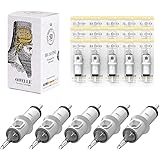
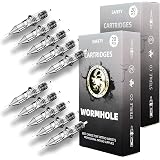
Furthermore, the evolution of cartridge needles has revolutionized the tattooing industry, offering unparalleled convenience and hygiene. These single-use, pre-sterilized needle configurations attach effortlessly to rotary machines, minimizing setup time and maximizing safety. Investing in high-quality cartridge needles significantly enhances the performance of any beginner tattoo machine and ensures client safety.
Ergonomics and Hygiene: Foundations of Professional Practice
The importance of ergonomics extends beyond the machine’s physical design to include the entire workstation setup. Maintaining a comfortable and efficient posture reduces strain and fatigue, which is crucial during extended tattooing sessions. Proper ergonomic planning helps cultivate sustainable habits essential for a long and healthy career in tattooing.
Equally paramount is establishing stringent hygiene protocols from the outset. Aspiring artists must meticulously follow cross-contamination prevention guidelines, utilizing barrier protection and hospital-grade disinfectants. Prioritizing impeccable hygiene not only protects clients but also instills confidence and professionalism, solidifying the artist’s reputation regardless of their chosen beginner tattoo machine.
Inking Your Questions: Beginner Tattoo Machine Q&A
What kind of tattoo machine is recommended for beginners?
Rotary tattoo machines are highly recommended for beginners because they operate with a motor-driven mechanism, providing a smooth and consistent output that is easier to learn.
Why is a 4.0mm stroke length important for a beginner tattoo machine?
A 4.0mm stroke length is very versatile for beginners because it allows for efficient execution of both crisp lines and smooth shading with one machine.
What are some good entry-level tattoo machine brands to consider?
Some excellent entry-level options include the Ambition Soldier, Mast Archer, and Bronk Hummingbird, which are known for their performance and versatility for new artists.
Besides the tattoo machine, what other essential components do I need to start tattooing?
In addition to the machine, you’ll need a reliable power supply, a foot pedal for control, and high-quality, pre-sterilized cartridge needles for safe and effective practice.