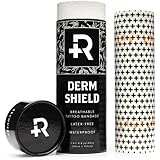
Navigating the tattoo healing process can feel daunting. Many traditional methods exist. However, modern aftercare offers exciting advancements. One popular method involves adhesive bandages. Brands like Saniderm, DermShield, and other “second skin” products provide excellent protection. The video above demonstrates this healing journey. It covers the day-by-day experience. This post provides deeper insights. It helps you understand what to expect. This ensures your new tattoo heals beautifully.
Understanding Second Skin: A Modern Approach to Tattoo Healing
Adhesive bandages are medical-grade films. They create a sterile, moist environment. This environment is crucial for optimal tattoo healing. The bandages protect your new ink. They shield it from bacteria and friction. This modern method minimizes scabbing. It also enhances color retention.
1. These thin, flexible films adhere to your skin. They act like a second layer of skin. Popular brands include Saniderm, DermShield, Tegaderm, and Opsite. They all serve the same purpose. They seal in your body’s natural healing fluids.
2. This “moist healing” environment promotes faster recovery. It reduces the risk of infection. Your body’s plasma and lymph fluids keep the wound hydrated. This prevents harsh scabs. Hard scabs can pull out ink. Moist healing also makes the healing process more comfortable. It reduces itching and irritation significantly.
Preparing for Your Second Skin Application
Proper application is key for success. Your tattoo artist usually applies the first bandage. They ensure the area is clean and dry. This step prevents air bubbles. It also ensures the bandage adheres well.
1. The tattoo must be completely dry. Any moisture traps bacteria. This could lead to complications. Your artist cleans the area thoroughly. They then pat it dry carefully. This creates an ideal surface.
2. The bandage goes on smoothly. It should not stretch your skin. Stretching can cause irritation. It can also create an uncomfortable pull. The film should lay flat. Press it gently from the center outwards. This eliminates air pockets. A smooth application prevents premature lifting.
The Day-by-Day Second Skin Tattoo Healing Process
Knowing what to expect calms anxieties. The tattoo healing process with second skin follows a predictable path. Each day brings new changes. Understanding these stages helps you care for your tattoo effectively.
Day 1: Initial Application and Weeping
The first 24 hours are critical. Your body starts its natural healing response. You will notice some fluid buildup. This is completely normal.
1. Expect some “weeping” beneath the bandage. This is plasma, lymph fluid, and excess ink. It appears as a dark, murky puddle. This fluid is beneficial. It keeps the tattoo moist. It aids in healing.
2. Monitor the fluid levels. If the bandage fills too much, a change might be needed. Your artist may suggest a second bandage. This is common for larger tattoos. It is also good for those with “dirty jobs.” These jobs expose the tattoo to more contaminants. Always follow your artist’s instructions for changing. Clean the tattoo gently. Ensure it is completely dry. Then apply the new bandage.
Days 2-5: Settling In and Continued Protection
After the first day, the healing continues. The initial weeping subsides significantly. Your skin begins to adjust.
1. The second adhesive bandage (if used) typically stays on longer. It remains for up to four days. This provides extended protection. During this time, the fluid accumulation will be minimal. The tattoo is sealing itself.
2. Your skin may look a bit wrinkled. This is due to the bandage conforming. It adapts to your movements. Redness around the tattoo usually diminishes. Any soreness should also decrease. Some light bruising or a yellowish tint is possible. This is part of the healing. It shows your skin is recovering.
Removing Your Second Skin Bandage
Removing the bandage requires care. It can be uncomfortable. However, it is a crucial step. Proper removal protects your healing tattoo.
1. Remove the bandage gently. Do it under warm, running water. This loosens the adhesive. Pull the bandage slowly. Stretch it parallel to your skin. Like a Command Strip, it helps. Avoid ripping it straight up. This minimizes discomfort. It also protects your delicate skin.
2. Expect some pulling sensation. It can sting briefly. Your skin may look slightly irritated. This is temporary. Your tattoo will be clean and relatively smooth. It won’t have the heavy scabbing of traditional methods. After removal, wash the tattoo with a mild, unscented soap. Pat it dry with a clean paper towel. Then, begin moisturizing.
Day 12 and Beyond: Fully Healed Tattoo
By day 12, your tattoo should be mostly healed. It will look vibrant and crisp. Continued aftercare is important. This ensures long-term preservation.
1. Your tattoo will appear settled. The lines will be sharp. Colors will be bright. The skin might still feel a bit dry or flaky. This is common, especially in dry climates. Continue moisturizing regularly. Use a high-quality, unscented lotion.
2. Protect your healed tattoo from the sun. UV rays fade ink. Always use a broad-spectrum sunscreen. This helps maintain the vibrancy. Proper care extends the life of your artwork.
Advantages of Second Skin for Your New Tattoo
The benefits of using second skin are numerous. It’s why many artists recommend it. This method offers superior protection. It supports an ideal tattoo healing process.
1. Adhesive bandages preserve ink vibrancy. They prevent scabbing. This means fewer chances of ink being pulled out. Blacks heal blacker. Colors stay brighter. The tattoo’s original intent is maintained.
2. They minimize irritation. Your new tattoo is vulnerable. Rubbing against clothes causes friction. This can lead to irritation or infection. The bandage creates a barrier. It protects against external factors. This includes dirt, germs, and pet hair. It allows for a more worry-free healing period. Compared to traditional Saran Wrap methods, second skin offers continuous, superior protection.
Utilizing an adhesive bandage for your tattoo healing process offers significant advantages. It provides a clean, protected environment. This promotes faster and more effective recovery. Always consult your artist for personalized advice. Enjoy your beautifully healed new ink!
Peeling Back the Layers: Your Second Skin Tattoo Healing Q&A
What is ‘second skin’ for tattoo healing?
Second skin refers to medical-grade adhesive bandages, like Saniderm or DermShield, that create a sterile, moist environment to help your new tattoo heal optimally. They act like a protective second layer on your skin.
Why should I use a second skin bandage for my new tattoo?
Using a second skin bandage minimizes scabbing, enhances color retention, and promotes faster recovery by keeping the tattoo hydrated with your body’s natural fluids. It also protects your tattoo from bacteria and friction.
What is the fluid I see under the second skin bandage?
The fluid you see is completely normal and is called ‘weeping.’ It’s a beneficial mix of plasma, lymph fluid, and excess ink that helps keep your tattoo moist and aids in the healing process.
How do I remove the second skin bandage safely?
To remove the bandage, do it gently under warm, running water, which helps loosen the adhesive. Stretch the bandage parallel to your skin, similar to how a Command Strip is removed, to minimize discomfort and protect your healing tattoo.
When is my tattoo considered healed if I use second skin?
With second skin, your tattoo should appear mostly healed, vibrant, and crisp by around day 12. Continued moisturizing and sun protection are important for its long-term preservation.