Approximately 70% of tattoo complications are estimated to stem from improper aftercare, highlighting the critical importance of following your artist’s advice. The video above offers three essential, straightforward tips for effective tattoo aftercare, delivered concisely by a professional artist. While these basic guidelines form a solid foundation, understanding the nuances behind each piece of advice can significantly impact your new tattoo’s healing, longevity, and overall appearance. This article expands on those crucial points, providing beginner-friendly explanations and practical strategies to ensure your ink heals beautifully and stays vibrant for years to come. Proper care during the initial healing phase is paramount for avoiding common issues and preserving the integrity of your body art.
Understanding Essential Tattoo Aftercare Tips for Beginners
Embarking on the journey with a fresh tattoo is an exciting experience, yet the period immediately following its creation is perhaps the most crucial for its long-term success. The artist in the video provides fundamental advice: avoid the sun, stay out of water, and refrain from scratching. These three pillars of new tattoo healing are universally recognized, but truly grasping the ‘why’ behind them empowers you to make informed decisions for optimal results. Think of your new tattoo as an open wound; treating it with respect and diligence is key to preventing infection and ensuring a vibrant outcome. By meticulously following these guidelines, you safeguard your investment and maintain the artistic quality of your chosen design.
Protecting Your New Ink: Sun Exposure and Its Risks
The first and arguably most critical tattoo aftercare advice is to “stay out the sun.” This isn’t just about preventing a minor tan; direct sunlight, especially UV rays, can be incredibly detrimental to a healing tattoo. Exposure can cause the colors to fade prematurely, dulling the vibrancy of your artwork even before it’s fully healed. Moreover, a sunburn on a fresh tattoo can lead to serious complications, including blistering, prolonged healing times, and even permanent scarring that distorts the design. Imagine if your intricate new design started to blur and lighten just weeks after getting it; this is a very real risk of sun exposure.
For several weeks, while your tattoo is actively healing, it is absolutely essential to keep it covered or completely out of the sun. This means avoiding beach days, prolonged outdoor activities, and even casual strolls without proper protection. When venturing outdoors is unavoidable, ensure the tattoo is completely covered with loose, breathable clothing that doesn’t irritate the skin. Once your tattoo has fully healed (typically 4-6 weeks), applying a high-SPF sunscreen daily becomes a non-negotiable step in maintaining its brilliance and protecting your skin from future damage. Incorporating sun protection into your daily routine is the best way to ensure the longevity of your beautiful artwork.
Water Immersion: Why Swimming is a Serious No-Go
The second crucial tip from the artist is “don’t go swimming,” a directive that extends beyond just the pool. Submerging your new tattoo in any body of water—be it a swimming pool, hot tub, lake, river, or the ocean—poses a significant risk of infection. These environments are often teeming with bacteria, viruses, and other microorganisms that can easily enter your still-healing skin through the tattoo. An infection can not only be painful and require medical intervention but can also severely compromise the appearance of your tattoo, leading to scarring, ink fallout, and irreversible damage to the design. Imagine your vibrant new piece developing an unsightly rash or pustules; this unpleasant scenario underscores the importance of avoiding water immersion.
During the entire healing period, it is vital to avoid any situation where your tattoo would be submerged. While quick, lukewarm showers are acceptable, ensuring your tattoo is not under direct, powerful spray for too long, and patting it dry immediately afterward is crucial. Even baths should be avoided, as sitting in stagnant water can expose your tattoo to bacteria. This strict avoidance typically lasts for at least two to four weeks, or until your artist confirms the tattoo is fully closed and sealed. Patience here truly pays off, safeguarding your skin’s health and your tattoo’s aesthetic integrity.
Managing the Itch: Why You Must Never Scratch a Healing Tattoo
The third piece of advice, “don’t scratch it. Give it a little slap,” addresses a common and often irresistible urge during the healing process. As a new tattoo heals, it often becomes itchy, similar to how any wound heals, and resisting the urge to scratch can be incredibly challenging. However, scratching a healing tattoo can cause significant damage: it can pull off scabs prematurely, tear the delicate new skin, and even introduce bacteria from your fingernails, leading to infection. Furthermore, scratching can directly remove ink, creating patchy areas or light spots in your design that will require touch-ups. Imagine going through the pain of getting a tattoo only to have parts of the ink scraped away during healing; this is a direct consequence of scratching.
Instead of scratching, the artist’s suggestion to “give it a little slap” is a highly effective alternative for temporary relief. A gentle pat or slap can disrupt the itch signal without causing damage to the healing skin. Applying a thin layer of a recommended fragrance-free moisturizer can also soothe the skin and reduce dryness, which often contributes to itching. Keeping the area clean and well-hydrated is essential, as dry skin tends to be itchier. If the itching becomes severe or is accompanied by other concerning symptoms, it is always best to consult your tattoo artist or a healthcare professional to rule out any complications. Prioritizing gentle care over immediate gratification ensures your tattoo heals beautifully.
Beyond the Basics: Further Aftercare Considerations for Your New Tattoo
While the video provides three crucial tips, effective tattoo aftercare encompasses a broader range of practices that contribute to a successful healing journey. Cleaning your tattoo regularly, as recommended by your artist, is fundamental to prevent bacterial build-up and keep the area free from debris. Typically, this involves using a mild, unscented antibacterial soap and lukewarm water, gently washing with clean hands, and then patting dry with a clean paper towel. Consistent and correct cleaning helps to remove plasma and excess ink that can otherwise form thick scabs, which are more prone to cracking and ink loss.
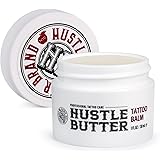
Moisturization is another vital component, as it keeps the skin supple, reduces itching, and aids in the healing process. Your artist will likely recommend a specific unscented, non-comedogenic lotion or ointment to apply in very thin layers, several times a day, to prevent the tattoo from drying out. Avoid over-moisturizing, however, as too much product can suffocate the skin and create a breeding ground for bacteria. Selecting appropriate clothing is also important; wear loose-fitting, breathable fabrics like cotton that won’t rub or irritate the healing area. Tight clothing can cause friction, trap moisture, and potentially stick to your new ink, creating discomfort and possibly pulling off scabs.
Always listen to your tattoo artist’s specific instructions, as they are tailored to their techniques and your individual tattoo. They are the experts in the field and their guidance is invaluable for achieving the best possible outcome for your art. Be vigilant for any signs of infection, which can include excessive redness, swelling, warmth, severe pain, pus, or fever. Should you notice any of these symptoms, do not hesitate to contact your tattoo artist and seek medical attention promptly. Diligent and informed tattoo aftercare is the ultimate commitment to your new body art, ensuring it looks stunning for a lifetime.
Healing Your Ink: Aftercare Q&A
What are the most important things to do after getting a new tattoo?
After getting a new tattoo, it’s crucial to avoid direct sun exposure, stay out of water like pools or baths, and resist the urge to scratch it. Following these basic rules helps ensure your tattoo heals properly.
Why should I avoid the sun after getting a new tattoo?
Direct sunlight, especially UV rays, can cause your new tattoo’s colors to fade quickly and dull its vibrancy. Sun exposure can also lead to sunburn, blistering, and scarring on the sensitive healing skin.
Can I go swimming or take a bath with a new tattoo?
No, you should not submerge your new tattoo in water like pools, hot tubs, lakes, or even baths. These environments contain bacteria that can cause a serious infection in your healing skin, potentially damaging the tattoo’s appearance.
My new tattoo is itchy, what should I do instead of scratching it?
Instead of scratching, gently pat or ‘slap’ the itchy area to relieve the sensation. Applying a thin layer of recommended fragrance-free moisturizer can also help soothe the skin.