The decision to get a tattoo is often made with enthusiasm, but the journey of life sometimes leads to regret or a desire for change. For many years, tattoos were largely considered permanent artistic statements, an indelible mark on the skin. Yet, as the accompanying video briefly illustrates, modern aesthetic medicine has dramatically shifted this perception, making laser tattoo removal a highly effective and sought-after procedure.
Indeed, the advancements in laser technology have transformed what was once an irreversible commitment into a reversible cosmetic choice. While the video touches upon the visual aspect of the process and acknowledges the discomfort involved, truly understanding the intricate science and meticulous technique behind successful laser tattoo removal is paramount. This specialized field combines advanced physics, dermatology, and patient care to achieve optimal results, often leaving the skin remarkably clear of previous pigmentation.
Understanding the Science of Laser Tattoo Removal
1. At its core, laser tattoo removal operates on the principle of selective photothermolysis, a highly targeted process where specific wavelengths of light energy are absorbed by particular chromophores. In the context of tattoo removal, these chromophores are the microscopic particles of tattoo ink embedded within the dermal layer of the skin. The laser emits ultra-short pulses of energy, typically in nanoseconds or even picoseconds, which rapidly heat the ink pigments.
This rapid absorption of energy shatters the ink particles into much smaller fragments, a process that is often described as a photoacoustic effect. Once fragmented, these minuscule ink particles are then gradually cleared away by the body’s natural lymphatic system and macrophage cells over several weeks. The effectiveness of this process is highly dependent on matching the laser’s wavelength to the specific color of the tattoo ink, as different pigments absorb different light spectra most efficiently.
The Evolution of Laser Technology: Nanosecond vs. Picosecond
2. For decades, Q-switched nanosecond lasers were the gold standard for laser tattoo removal, delivering energy in pulses lasting billionths of a second. These devices are exceptionally effective at treating darker inks like black and dark blue by creating a substantial photoacoustic effect. The energy from nanosecond pulses causes a rapid thermal expansion and fragmentation of the ink, which the body then works to eliminate.
However, the advent of picosecond lasers, which pulse in trillionths of a second, has revolutionized the industry by offering significantly improved results for a broader range of colors, including notoriously stubborn greens and blues. Picosecond technology generates a more intense photo-mechanical effect, creating even finer ink fragmentation with less heat generated in the surrounding tissue. This often translates to fewer treatment sessions, faster recovery times, and enhanced safety, particularly for individuals with darker Fitzpatrick skin types.
Addressing the Perceived Pain of Tattoo Removal
3. The video correctly highlights that laser tattoo removal can be a painful experience, with some individuals describing it as one of the worst pains imaginable. This perception is largely subjective, varying significantly from person to person, and is influenced by several factors including the tattoo’s location and the individual’s pain threshold. For instance, areas with thinner skin or closer proximity to bone, such as the ankles, ribs, or fingers, tend to be more sensitive during treatment.
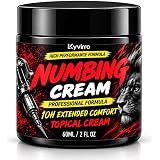
To mitigate this discomfort, advanced aesthetic clinics employ a variety of sophisticated pain management strategies. Topical anesthetic creams are frequently applied to the treatment area approximately an hour before the session, numbing the superficial layers of the skin. Additionally, cryo-cooling devices, such as Zimmer chillers, are widely utilized during the procedure to continuously blow super-cooled air onto the skin, drastically reducing surface temperature and providing significant analgesic effects throughout the laser application. For profoundly sensitive areas, injectable lidocaine can also be professionally administered by a qualified medical practitioner.
Factors Influencing Treatment Sessions and Outcomes
4. The complete removal of a tattoo is not a single-session event; it requires a series of treatments, the number of which is influenced by a complex interplay of factors. The density and depth of the ink are primary considerations, as heavily saturated or deeply embedded tattoos naturally require more sessions for effective fragmentation and clearance. Professional tattoos, which typically use more robust inks and deeper needle penetration, generally necessitate more treatments compared to amateur tattoos.
Moreover, the specific colors present in the tattoo significantly impact the treatment timeline; while black ink is relatively straightforward to remove, colors such as green, light blue, and yellow are notoriously challenging and may require specialized picosecond lasers or a greater number of sessions. The individual’s immune system also plays a crucial role in how efficiently the fragmented ink particles are eliminated, meaning overall health and lifestyle choices can indirectly influence the speed of clearance. Furthermore, the skin’s Fitzpatrick type must be carefully considered to select appropriate laser settings that minimize the risk of adverse effects like hypo- or hyperpigmentation, ensuring a safe and effective laser tattoo removal journey.
The Importance of Post-Treatment Care and Professional Expertise
5. Following each laser tattoo removal session, meticulous post-treatment care is absolutely critical for optimizing results and minimizing potential complications. Patients are typically advised to keep the treated area clean and dry, apply a protective ointment as recommended by their practitioner, and avoid direct sun exposure. Swelling, redness, blistering, and scabbing are common and expected side effects, indicative of the body’s natural healing response as it processes the fragmented ink particles.
Choosing a highly qualified and experienced practitioner is arguably the most vital step in the entire laser tattoo removal process. A certified laser technician or dermatologist possesses the in-depth knowledge of skin anatomy, laser physics, and various laser technologies necessary to assess individual tattoos and skin types accurately. They can develop a personalized treatment plan, calibrate laser settings precisely for optimal efficacy and safety, and adeptly manage any potential complications that may arise, ensuring the best possible outcome for your laser tattoo removal.
Pulsing Answers to Your Laser Tattoo Removal Questions
What is laser tattoo removal?
Laser tattoo removal is a cosmetic procedure that uses specialized laser technology to break down unwanted tattoo ink embedded in the skin.
How does laser tattoo removal work?
The laser emits short pulses of energy that shatter the tattoo ink particles into tiny fragments. Your body’s natural processes then gradually clear these smaller ink fragments away.
Is laser tattoo removal painful?
It can be a painful experience, with some comparing it to a rubber band snapping against the skin. However, clinics use pain management strategies like numbing creams and cooling devices to reduce discomfort.
How many sessions are needed to remove a tattoo?
Complete tattoo removal is not a single-session event; it requires a series of treatments. The number of sessions depends on factors like the tattoo’s size, ink colors, depth, and your individual immune system.