Considering Your Next Masterpiece: Unveiling Diverse Tattoo Sleeve Ideas
Are you contemplating a transformative piece of body art, one that truly encapsulates your personal narrative and aesthetic preferences? The video above may offer initial inspiration, yet the journey of selecting and committing to a tattoo sleeve is often a deeply personal and significant undertaking. A comprehensive understanding of the possibilities can greatly assist in making informed decisions.
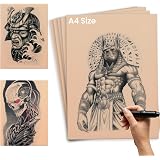
A tattoo sleeve, encompassing a significant portion of the arm, is often viewed as a singular, cohesive work of art rather than a collection of disparate tattoos. This extensive canvas allows for intricate storytelling and visually stunning compositions. It is generally understood that various styles and thematic elements can be seamlessly integrated into a continuous flow.
Exploring Popular Tattoo Sleeve Design Concepts
The realm of tattoo sleeve ideas is incredibly vast, offering a multitude of styles that are frequently chosen for their unique visual appeal and symbolic depth. Understanding these popular concepts is crucial for anyone considering such an extensive commitment to body art.
One prevalent category is the traditional or American traditional sleeve, characterized by bold lines, limited color palettes (often red, yellow, green, black), and iconic imagery such as roses, anchors, eagles, and pin-up girls. These designs are highly recognizable and possess a timeless appeal, often symbolizing classic themes of love, freedom, and strength.
Japanese tattoo sleeves, known as Irezumi, are another deeply revered style, rich in cultural symbolism and flowing narratives. Frequently featured are mythical creatures like dragons and koi fish, alongside elements such as cherry blossoms, samurai, and waves. These designs are appreciated for their dynamic movement and intricate details, often telling ancient tales or representing virtues like perseverance and courage.
For those preferring a contemporary aesthetic, geometric tattoo sleeves are gaining significant traction. These designs are composed of precise lines, shapes, and patterns, frequently creating abstract or architectural forms. Such sleeves are often chosen for their modern, minimalist, and visually striking appearance, offering a sense of order and sophisticated design.
Realistic tattoo sleeves are also highly sought after, aiming to replicate photographic detail and depth on the skin. Portraits, landscapes, and hyper-realistic objects are commonly depicted with incredible precision. This style requires immense artistic skill and can produce breathtakingly lifelike imagery, providing a powerful visual impact.
The Journey of Planning Your Unique Tattoo Sleeve
Embarking on the creation of a tattoo sleeve is a meticulous process that demands careful consideration and collaboration with a skilled artist. Many individuals find that a well-thought-out plan contributes significantly to the ultimate satisfaction with their body art.
Firstly, the selection of an appropriate theme or concept is paramount. Will the sleeve tell a story, represent personal values, or simply be an aesthetic expression? Decisions regarding the overall mood and message are often made early in the planning stage, ensuring a cohesive design is achieved.
Secondly, finding the right tattoo artist is critical; their style and expertise must align with your vision. It is widely recommended that portfolios are thoroughly reviewed, and consultations are scheduled to discuss design specifics, artist interpretation, and logistical details. Communication with the chosen artist is considered a foundational element for a successful outcome.
Furthermore, the physical logistics, including the number of sessions and estimated cost, are important factors to address. A full sleeve can typically require anywhere from 15 to 30 hours of tattooing, distributed over multiple appointments, depending on the complexity and size. The financial investment for such a significant piece of art can range broadly, often from $2,000 to $8,000 or more, necessitating a careful budgeting process.
Understanding the Pain and Healing Process for Tattoo Sleeves
The experience of getting a tattoo sleeve involves a certain degree of discomfort, and the subsequent healing period is an essential phase for ensuring the longevity and appearance of the artwork. Awareness of these aspects can help individuals prepare adequately.
Pain levels during tattooing are widely acknowledged to vary depending on individual pain tolerance and the specific area of the arm being worked on. Areas such as the inner bicep, elbow, wrist, and armpit are generally considered more sensitive due to thinner skin and proximity to bone or nerve endings. Many report that the sensation is bearable, often described as a constant scratching or stinging.
Following each session, a diligent aftercare regimen is imperative. This typically includes keeping the tattoo clean with mild, unscented soap and applying a thin layer of recommended ointment or lotion to prevent dryness and infection. The healing process for each session usually takes between two to four weeks, during which peeling, itching, and mild redness are commonly observed. It is crucial that the tattoo is protected from direct sunlight and excessive moisture during this time.
In addition, maintaining a healthy lifestyle, including proper hydration and nutrition, is thought to support the body’s natural healing capabilities. Avoiding strenuous activities that might stretch or irritate the tattooed area is also frequently advised. The overall success and vibrancy of a tattoo sleeve are significantly influenced by consistent and proper aftercare practices.
The Enduring Appeal of Tattoo Sleeves as Personal Statements
The enduring popularity of tattoo sleeves can be attributed to their profound capacity as personal statements and artistic expressions. For many, these extensive pieces of body art represent more than just decoration.
Research indicates that approximately 25% of adults in the Western world possess at least one tattoo, with sleeve tattoos growing in popularity among those seeking extensive personal expression. A sleeve is often considered a narrative on the skin, a visual autobiography that unfolds across the arm. It can commemorate significant life events, honor loved ones, symbolize personal growth, or articulate philosophical beliefs.
Furthermore, the artistic journey involved in designing and receiving a tattoo sleeve can be a transformative experience. The process itself, often spanning several months, is viewed by some as a modern rite of passage. The completed tattoo sleeve stands as a permanent testament to an individual’s unique identity and their commitment to self-expression.
Ultimately, a tattoo sleeve is a significant investment—of time, money, and personal commitment. It is a decision that often brings immense personal satisfaction and becomes a cherished part of one’s identity. Considerations related to aesthetics, symbolism, and practicality are always encouraged when exploring your ideal tattoo sleeve ideas.
Your Tattoo Sleeve Questions Answered
What is a tattoo sleeve?
A tattoo sleeve is a large, cohesive piece of body art that covers a significant portion of the arm, often telling a continuous story or presenting a unified visual theme.
What are some common styles for tattoo sleeves?
Popular styles include traditional American, Japanese (Irezumi), geometric, and realistic, each offering unique visual appeals and symbolic meanings.
How do I start planning for a tattoo sleeve?
First, select a theme or concept that reflects your personal story. Then, find a skilled tattoo artist whose style aligns with your vision and schedule a consultation.
What should I expect regarding pain and healing for a tattoo sleeve?
Pain levels vary depending on individual tolerance and the specific arm area, with some spots being more sensitive. Each tattooed section typically heals in two to four weeks with diligent aftercare.